IGAD
ADDIS ABABA – The Intergovernmental Authority on Development (IGAD) Election Observation Mission (EOM) has officially declared Ethiopia’s 7th General Election a peaceful, orderly, and highly successful milestone in the Horn of Africa nation’s complex democratic evolution.
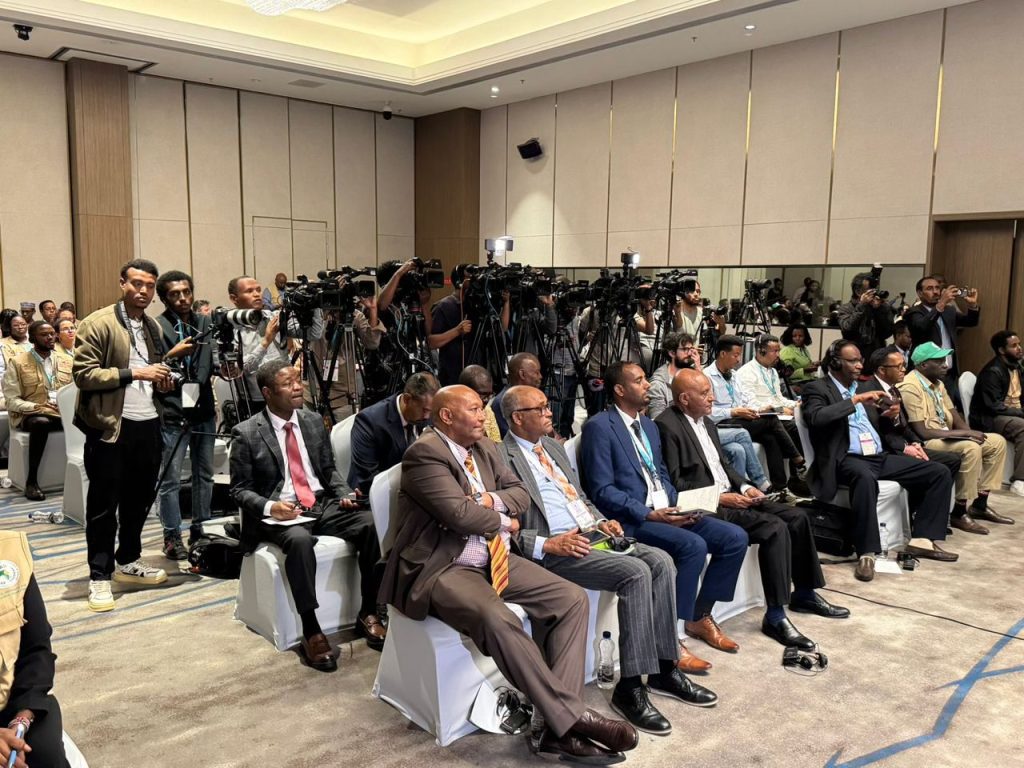
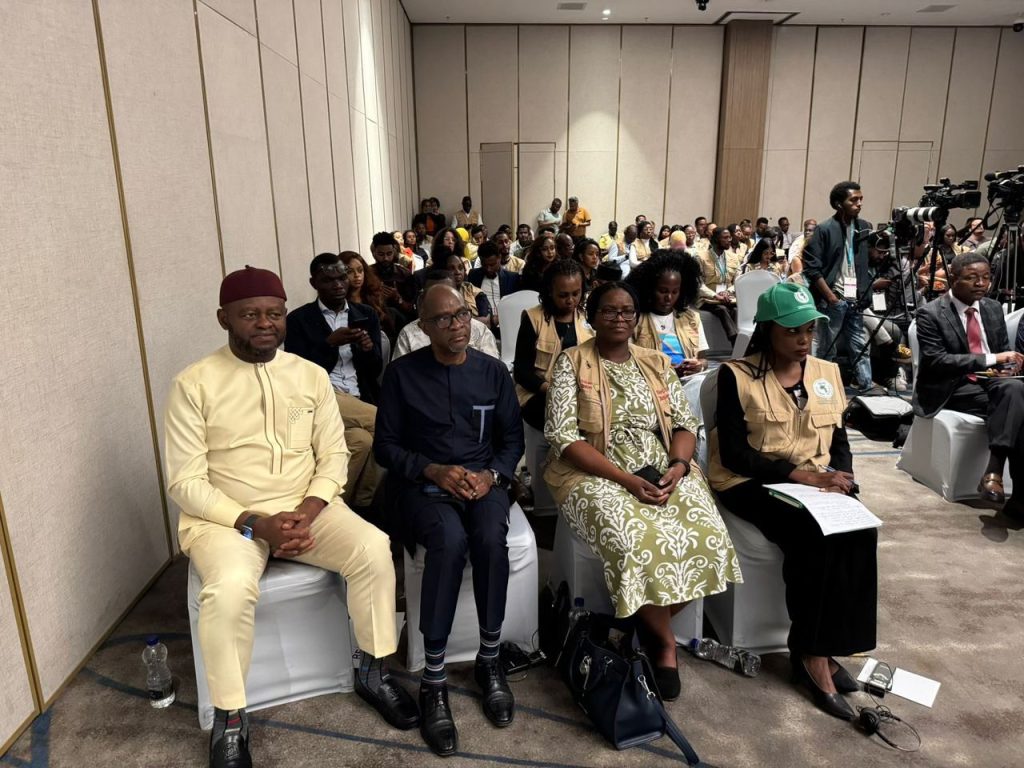
Presenting the regional body’s highly anticipated preliminary findings on Wednesday afternoon at the Skylight Hotel in Addis Ababa, the Head of the IGAD Mission, former Ugandan Vice President Dr. Speciosa Wandira-Kazibwe, lauded the National Election Board of Ethiopia (NEBE), the federal government, and the Ethiopian electorate for maintaining peace and stability during the June 1, 2026 polls. The endorsement from a critical regional bloc provides an initial layer of institutional validation for the technical execution of the high-stakes vote.

According to IGAD’s preliminary data, the 2026 general election saw an unprecedented level of citizen mobilization across the country’s accessible constituencies. A defining feature of this election cycle was the substantial participation of women, signaling a positive shift in civic engagement.
The mission highlighted several critical baseline metrics in its report:
- The total number of registered voters across the federation reached an historic 54,057,861 people.
- Traditional manual registration methods remained the bedrock of the infrastructure, accounting for 45.1 million voters.
- Rapidly expanding digital registration systems successfully captured 5.3 million voters, showcasing a successful leap in state administrative capacity.
- Female voters made up nearly 46 percent of the total registered electorate, a turnout rate the mission highly commended.
To verify these figures and monitor the operational integrity of the voting stations, IGAD deployed 26 short-term observers (STOs) representing diverse institutional backgrounds from across its member states.
The observer mission explicitly dubbed the 2026 cycle as an “Election of Many Firsts,” drawing direct attention to sweeping institutional, administrative, and technological reforms implemented by the NEBE to enhance structural transparency and prevent systemic fraud.
Dr. Wandira-Kazibwe emphasized that the overall electoral environment was significantly elevated by the deployment of several state-of-the-art administrative tools that had never been utilized on this scale in Ethiopia’s political history.
Chief among these reforms was a sophisticated hybrid infrastructure that seamlessly coordinated a dual approach by integrating digital and manual voter and candidate registration systems. To eliminate historical disputes over logistical deficits and polling station placements, authorities utilized Geographic Information System (GIS) tracking to map, localize, and manage polling stations in real-time, preventing overlaps and ensuring efficient supply distribution.
Furthermore, the regional bloc praised the federal government and the NEBE for addressing the complex humanitarian realities of the country. The mission heavily lauded the implementation of special voting arrangements designed specifically to protect the constitutional rights and franchise security of both Internally Displaced Persons (IDPs) and active service members of the Ethiopian National Defense Force (ENDF) who were stationed away from their home constituencies.
Operating strictly under the tenets of the African Charter on Democracy, Elections and Governance, the IGAD mission underscored that its presence on the ground was explicitly requested by the Ethiopian government and the election board to guarantee maximum regional transparency. The 26-member deployment team was carefully selected to include senior experts from national election management bodies, civil society organizations, and prominent regional women’s and youth networks.
In a demonstration of pan-African diplomatic coordination, the IGAD leadership convened a comprehensive post-election debriefing and review session prior to publishing their report. Dr. Wandira-Kazibwe met directly with H.E. Uhuru Kenyatta, the former President of Kenya and Head of the parallel African Union Election Observation Mission (AUEOM).
During this closed-door review, both regional bodies synchronized their initial field findings. This coordination allowed them to formulate an aligned, verified baseline regarding the election’s credibility before presenting their conclusions to the broader international community.
While IGAD’s preliminary report solidifies a major logistical and security victory for the technical execution of the baseline voting procedures, regional diplomats urge patience. The mission noted that a comprehensive, definitive final statement will be officially published by IGAD only after the National Election Board of Ethiopia completes its rigorous verification process and releases the certified final tallies from all regions.
For international monitors, civil society, and local political parties, the focus now shifts from the peace of the polling stations to the transparency of the tabulation centers.
embassies confirmed they are eagerly awaiting the publication of their formal, comprehensive observer reports before formulating a long-term policy response to the newly formed government.