
Trump Unveils Gold Card Visa And 100K H 1B Fee
Trump Overhauls U.S. Visa System, Introducing ‘Gold Card’ for Wealthy and $100K Fee on H-1B Visas
WASHINGTON D.C. — In a sweeping move to reshape U.S. immigration policy, President Donald Trump has signed an executive order to create a new visa system while simultaneously imposing a steep annual fee on a key work visa program. The new policies, which include a $1 million “Gold Card” visa, are being touted by the administration as a means to attract foreign capital and protect American jobs. However, they have been met with swift criticism and concern from both the technology sector and immigration experts.
A New Pathway for the Wealthy
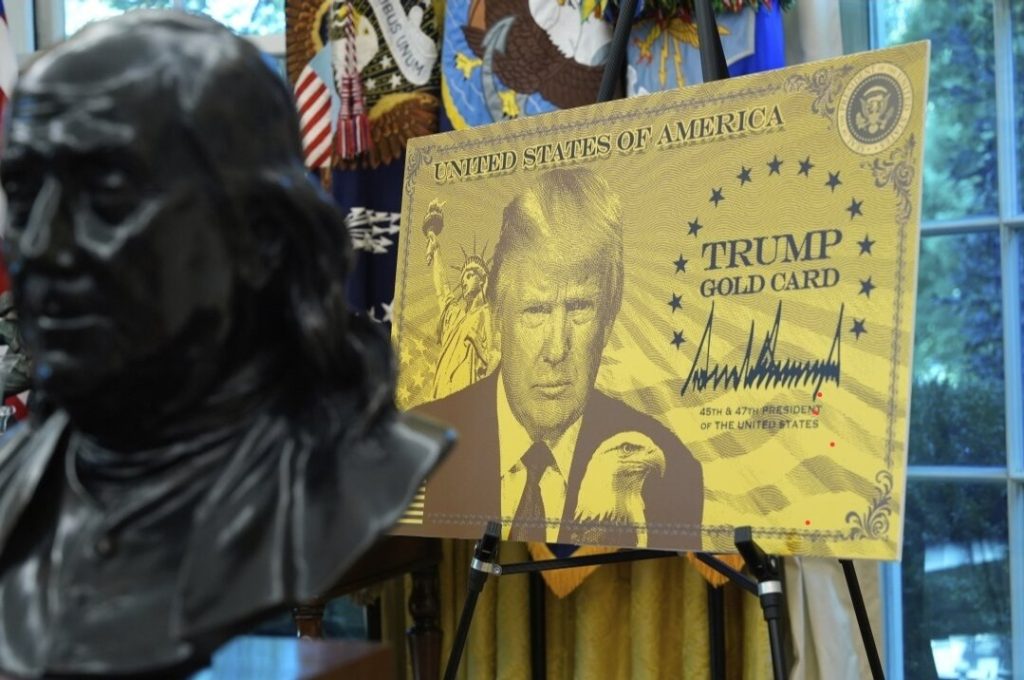
The cornerstone of the new visa system is the “Gold Card,” a program designed to attract wealthy foreign investors and entrepreneurs. Under this plan, an individual who contributes $1 million to the U.S. Treasury will gain expedited visa treatment and a path to a Green Card. The administration also introduced a corporate version, where a company can pay $2 million per employee for the same benefits, with the ability to transfer the sponsorship to another worker.
According to a White House statement, the “Gold Card” program facilitates expedited immigrant visas for individuals who make significant financial “gifts” to the United States. In addition, a more exclusive “Platinum Card” visa, priced at $5 million, is in the works and would grant holders tax exemption on foreign income for up to 270 days a year.
The U.S. Commerce Secretary, Howard Lutnick, has said the new visa tiers could generate hundreds of billions of dollars in revenue.
H-1B Visa Fee Hike Shakes the Tech Industry
Simultaneously, President Trump has enacted a new $100,000 annual fee on companies sponsoring H-1B visas. The proclamation, which takes effect on September 21, 2025, is a dramatic increase from the current fees, which range from $2,000 to $4,500. The administration states the move is intended to curb what it calls the “abuse” of the H-1B program, which is widely used by U.S. technology companies to hire skilled foreign workers. White House staff secretary Will Scharf stated the fee will “ensure that the people they’re bringing in are actually very highly skilled and that they’re not replaceable by American workers.”
The H-1B visa, which typically allows foreign professionals to work in the U.S. for up to six years, has been a vital source of talent for the U.S. technology sector. It’s estimated that more than 82% of H-1B visa holders are from India and China, with major companies like Amazon, Microsoft, and Google among the top beneficiaries.
The abrupt fee increase has sent shockwaves through the tech community. Experts and industry leaders warn that the cost could force companies to rethink their hiring strategies, potentially stifling innovation and prompting more work to be offshored. Some companies, including Microsoft and Amazon, have reportedly advised their H-1B employees to return to the U.S. immediately to avoid potential complications with the new fees. A partner at a venture capital firm, Deedy Das, has said the U.S. risks “taxing away its innovation edge” by driving away skilled talent.
A Divisive Policy
While the administration defends its actions as a way to protect American jobs and generate revenue for the country, critics argue the policies could have far-reaching negative consequences. Immigration lawyer J. Mike Sevilla noted that a $100,000 fee would be “devastating to several industries” and would significantly hinder the hiring of foreign talent.
The moves are also likely to face legal challenges, as experts question whether a president has the authority to impose such fees without congressional legislation. The Indian government has also expressed concern over the “humanitarian consequences” of the measure, given its large number of citizens who utilize the visa.