External Interference And Broken Diplomatic Efforts Leave Sudan Trapped In Brutal War Reuters
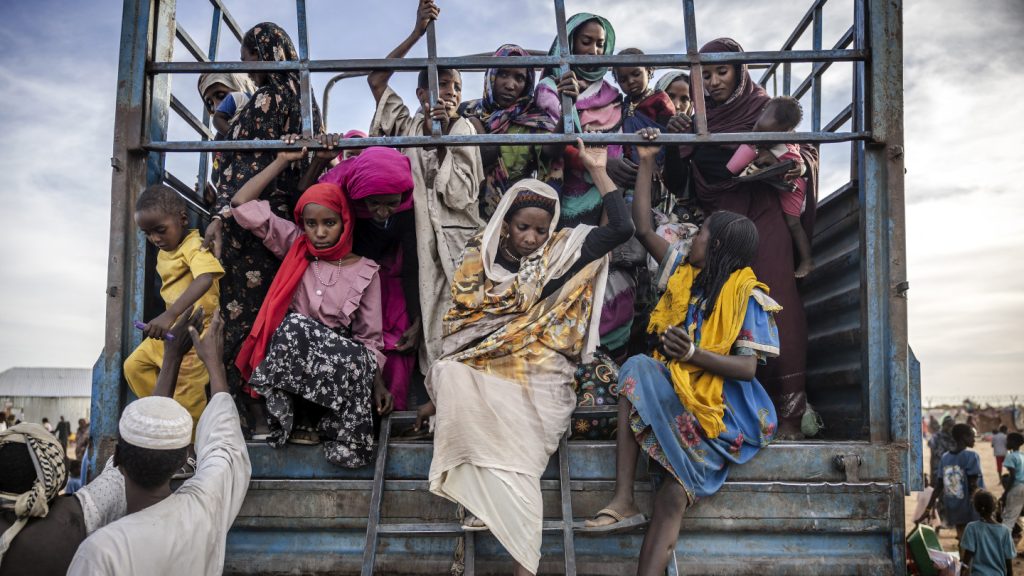
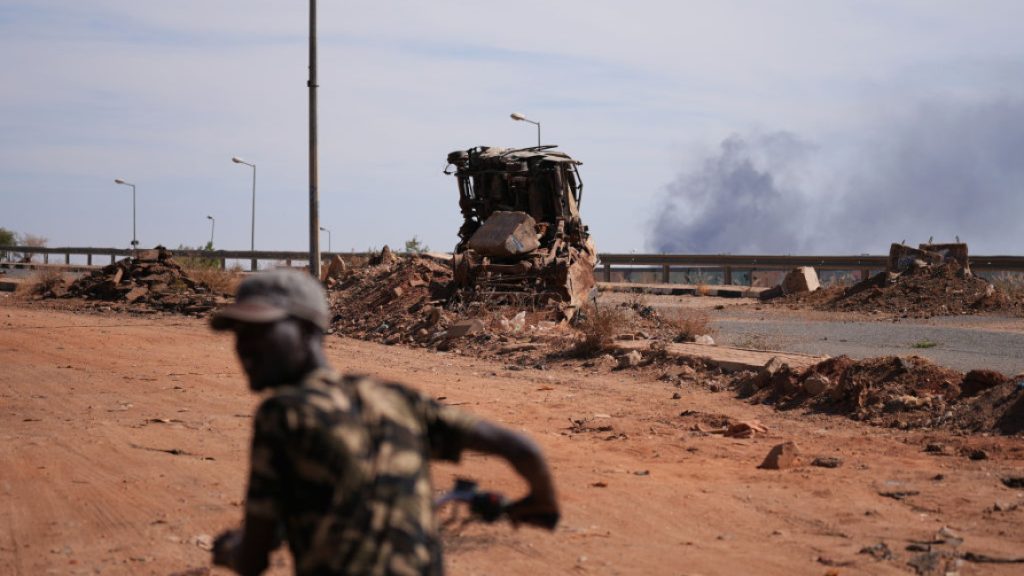
KHARTOUM – When a violent conflict erupted between the Sudanese Armed Forces (SAF) and the Rapid Support Forces (RSF) on April 15, 2023, few observers anticipated that the war would continue to burn fiercely more than three years later. Today, the fighting has evolved into one of the worst humanitarian catastrophes on Earth, leaving tens of thousands of civilians dead, displacing millions, and reducing vital infrastructure to rubble.
As the war enters its fourth year, there is no credible path toward peace. High-profile international diplomatic conferences in Paris, London, and Berlin have generated little more than statements and pledges, leaving the conflict to grind on under its own devastating logic.
Among political and social analysts, views on how or when the war will end remain deeply divided, though none deny the severity of the ongoing destruction.
Professor Salah al-Douma, a Sudanese political analyst, presents a complex perspective, stating, “We are close to peace and far from it at the same time”. Al-Douma argues that the pro-war bloc is facing internal fractures, shaken by targeted strikes on key military positions such as Port Sudan and the Wadi Seidna base in Omdurman.
However, he notes that the international community has treated the warring factions with too much leniency, adding that without a strong deterrent mechanism, such as a strike force under Chapter VII of the UN Charter the military factions have little incentive to surrender.
In contrast, researcher Abbas Mohamed Salih rejects the idea of imminent de-escalation, pointing to the role of external actors who benefit from the continuation of the war. Abbas explicitly singles out the United Arab Emirates (UAE), characterizing the RSF as an instrument used by Abu Dhabi to exert regional leverage.
He dismisses the theory that mutual exhaustion will eventually force a settlement, predicting instead that complex foreign intervention and sharp domestic divisions will prolong the humanitarian crisis for years to come.
Legal expert Abdel Aziz Sam echoes this critique of external involvement, arguing that framing the conflict as a simple bilateral dispute between two generals is inaccurate. Sam highlights the presence of foreign fighters from Colombia, Chad, and Libya killed on Sudanese soil as evidence of a multi-state intervention facilitated by the UAE.
Furthermore, he criticizes international mediation, noting that the May 2023 Jeddah Declaration remains unimplemented and that Massad Boulos, appointed as Donald Trump’s Sudan envoy, has failed to present an acceptable negotiating package.
Perhaps the darkest warning comes from sociologist Dr. Khidr al-Khawad of the University of Nilein. Examining current trends in military mobilization and weapons flows, al-Khawad sees no indicators pointing toward a ceasefire. Instead, he warns that any eventual approach to peace will likely be preceded by a massive escalation in fighting, resulting in even higher casualties and displacement.
Beyond the physical destruction, al-Khawad highlights the severe long-term damage inflicted on Sudan’s social fabric, which is being accelerated by hate speech, deepening ethnic divisions, and exclusionary practices across fractured communities.
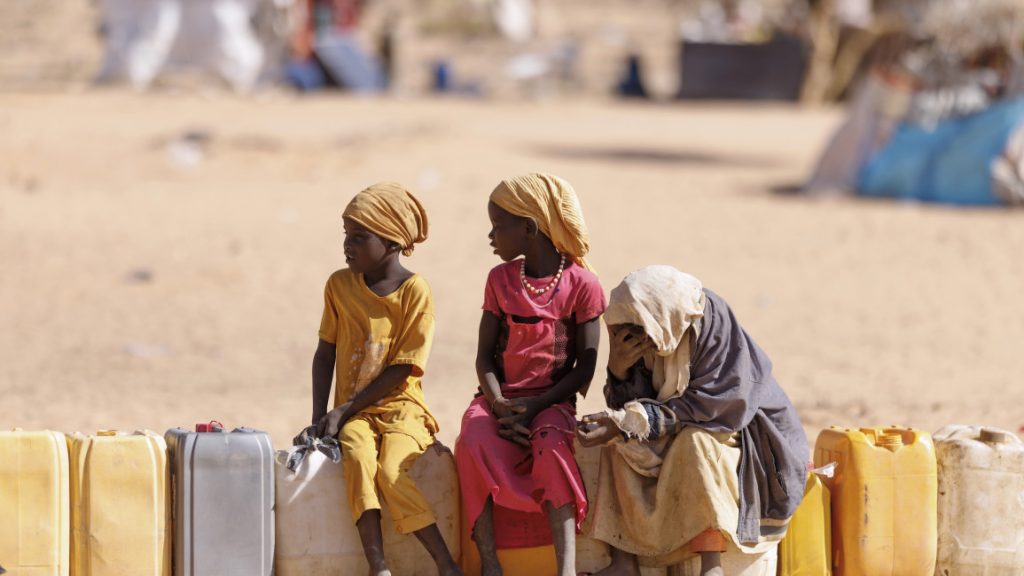
With 11 million people forced to flee their homes, Sudan now represents the world’s worst displacement crisis. As diplomatic efforts falter and external actors continue to fuel the frontlines, Sudanese civilians are left facing a grim reality: whether an end is near or far, analysts agree the conflict will almost certainly get bloodier before it stops.
The ongoing devastation in Sudan offers a grim, cautionary lesson for the entire Horn of Africa. The conflict has long since outgrown the control of its initial internal factions, morphing instead into a complex proxy battleground driven by competing regional ambitions and external arms flows. This deep foreign entanglement has rendered traditional Western and regional mediation efforts entirely toothless, leaving international pledges and diplomatic summits to ring hollow while the ground realities deteriorate.
For a region already fractured by fragile transitions, shifting alliances, and deep-seated internal tensions, Sudan’s tragedy underscores the extreme danger of allowing political polarization to pave the way for militarized conflict. When state institutions collapse and external actors step in to exploit the vacuum, the resulting social and structural disintegration can become nearly impossible to reverse.
As the war threatens to escalate further, it is clear that lasting peace cannot be achieved through soft diplomacy or by treating this as a simple dispute between generals. Without an aggressive, unified international effort to cut off foreign weapons supplies and hold destabilizing external forces accountable, the Horn of Africa will continue to bear the destabilizing brunt of a permanent humanitarian catastrophe on its doorstep. #SudanWar #SudanCrisis #SudanFights #NorthEastAfrica #TheNewArab #EthioInsight