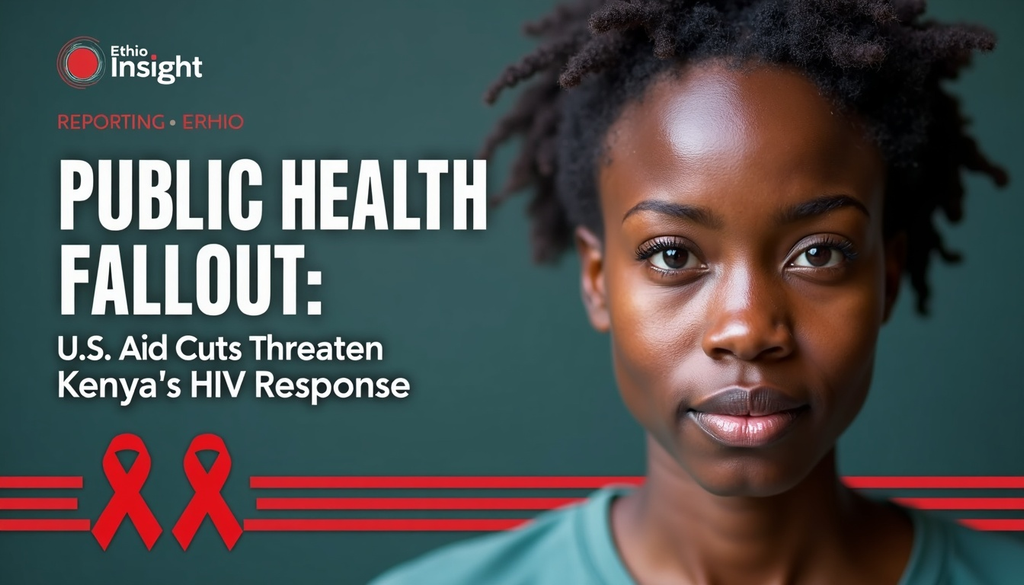
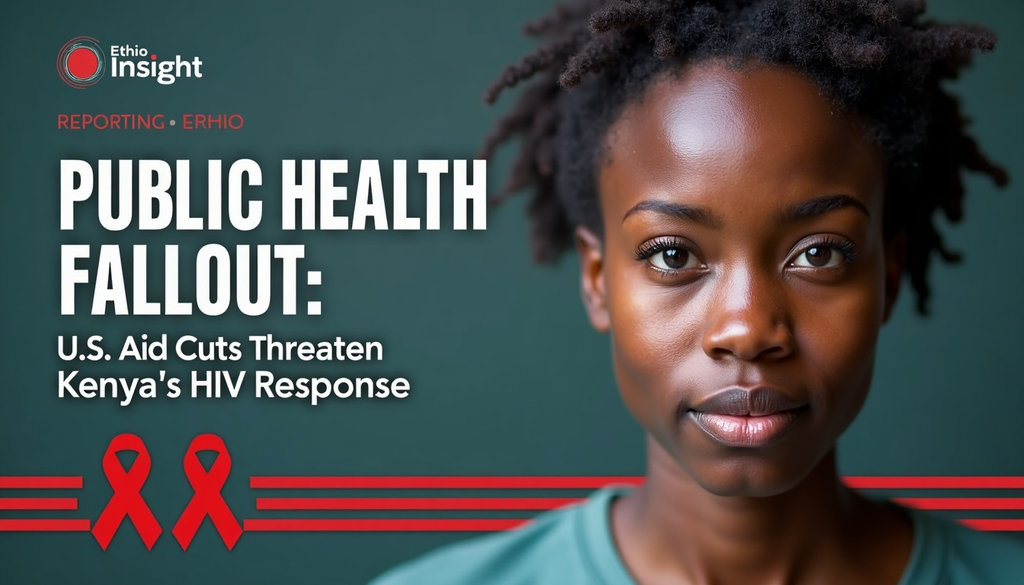
NAIROBI – Reductions in United States foreign assistance for health programs are delivering a devastating blow to public health initiatives in Kenya, leaving key vulnerable populations without critical medical care and HIV prevention infrastructure. At least 24 HIV-positive sex workers have died across Kenya following severe disruptions to antiretroviral treatment, peer outreach, and specialized clinic operations caused by foreign aid restructuring, with frontline health staff warning the true casualty figure is likely far higher.
The reduction of health funding by the United States, traditionally the primary donor for Kenya’s health system, has forced major non-governmental organizations to shutter specialized community-based clinics catering directly to high-risk groups. The Bar Hostess Empowerment and Support Programme closed one of its primary drop-in centers in late 2025 and is phasing out its remaining operations. Out of 14,500 sex workers previously supported by these facilities, roughly 12,000 have dropped off the organization’s monitoring radar, including over 2,300 individuals living with HIV.
The funding pullbacks have effectively eliminated mobile peer-outreach teams that previously delivered antiretroviral medications, condoms, and viral load testing to marginalized individuals fearful of discrimination at public hospitals. A mid-2026 evaluation by the Foundation for AIDS Research revealed that 73 percent of previously funded organizations in Kenya were forced to scale down or completely terminate services targeting sex workers, LGBTQ communities, and other key populations.
Frontline medical personnel report that the collapse of prevention and treatment networks is causing a rapid acceleration in new HIV transmissions. The Sex Workers Outreach Programme, which monitors roughly 45,000 sex workers in Nairobi, documented a 48 percent surge in new HIV cases during the first half of 2026 compared to the same period in 2024, following the closure of half its clinics. Meanwhile, surviving community centers have reported exponential increases in positivity rates among clients seeking testing.
According to the Standard report, health experts emphasize that without active outreach and subsidized commodities, the public health crisis threatens the broader population. The Kenyan government faces severe budgetary shortfalls in procuring sufficient barrier contraceptives to meet national demand, while commercial condom prices remain unaffordable for most low-income sex workers. With individuals continuing sex work to survive while lacking access to protective supplies or regular treatment, health officials warn that decades of national progress against the HIV epidemic face immediate reversal.
Addressing the situation during a visit to Nairobi, U.S. State Department official Frank Garcia rejected assertions of American responsibility for the rising fatalities, emphasizing historic U.S. contributions to global health and advocating for a transition toward trade-based partnerships rather than direct aid dependency. Conversely, international health advocates and local health workers warn that without the immediate restoration of targeted community-level funding, preventable deaths and unchecked transmission will continue to rise across East Africa.