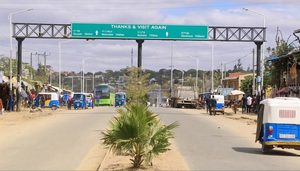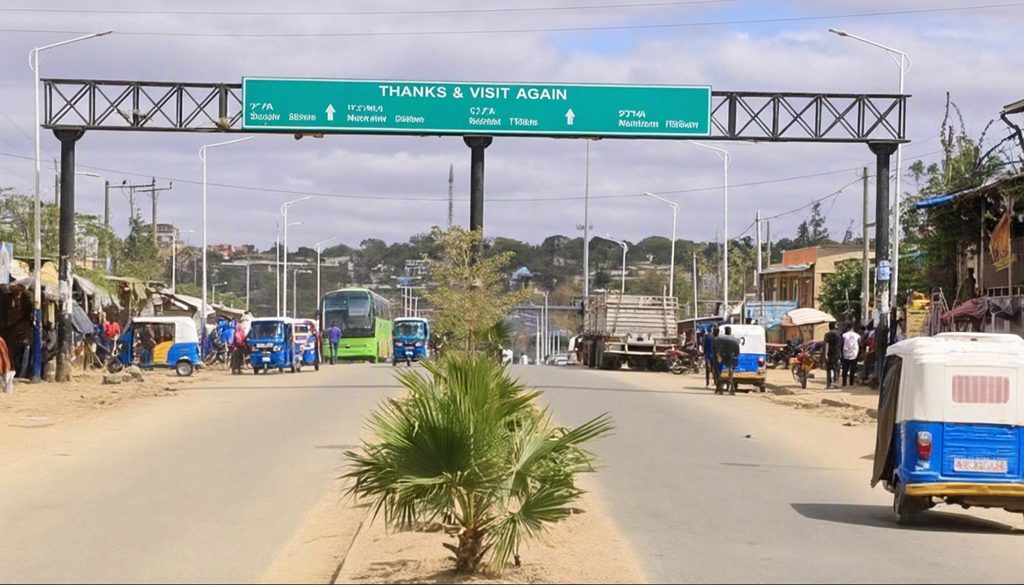
MOYALE, ETHIOPIA – A volatile dispute over regional flags in the border town of Moyale, situated along the Oromia and Somali regional border on the Ethiopia-Kenya frontier, has erupted into heavy, sustained armed combat, triggering a dire humanitarian crisis and displacing hundreds of residents across the Kenyan border.
The conflict originated from a localized disagreement after a Somali resident who recently purchased a house near the Oromia regional boundary hoisted the Somali Regional State flag on the property. The action sparked an immediate confrontation over territorial jurisdiction demanded by onlookers questioning how a neighboring region’s flag could be flown across the boundary line which rapidly escalated from a verbal dispute into an exchange of gunfire.
By the second day of fighting, violence intensified across the town. Confirmations from the ground verified that a young child in Oromia was killed in the initial crossfire, fueling a wider mobilization. Witnesses reported that federal defense and police forces stationed in the area withdrew after failing to contain the armed escalation, leaving regional special forces and armed militias to engage in direct, heavy-weapon combat across residential neighborhoods.
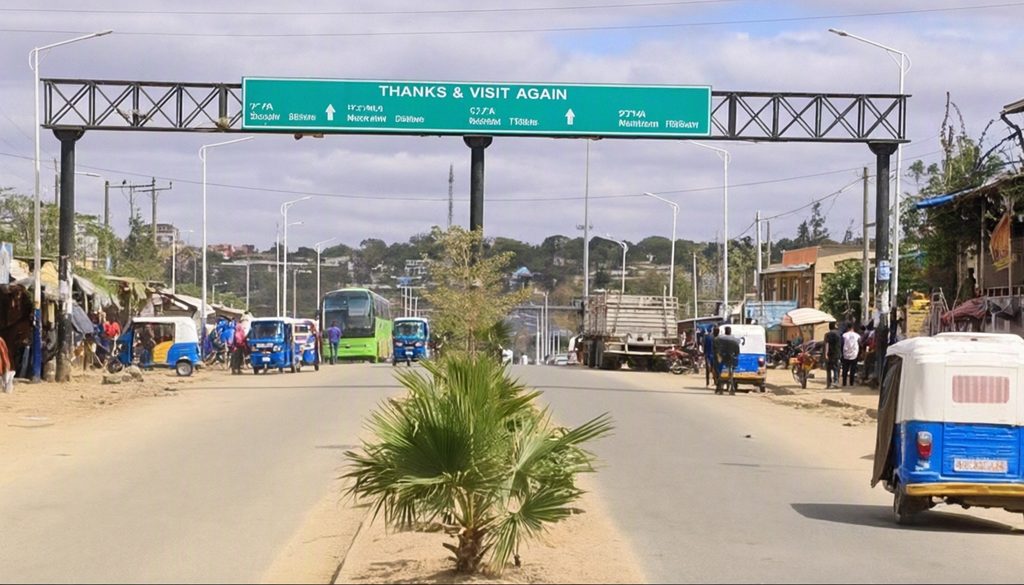
Reporting live from the ground, WT Media monitored continuous heavy and light weaponry fire echoing across the town throughout the day. While occasional lulls occurred, intermittent explosions from heavy artillery continued to pound commercial structures, residential homes, and public infrastructure, reducing parts of the town to rubble and ash.
With the town locked down by active combat, thousands of residents, primarily daily wage earners and small-scale traders are trapped in their homes without access to food, water, or basic necessities.
- Acute Food Insecurity: Because the local population relies on daily labor and open commerce, the multi-day lockdown has cut off all sustenance. Children, mothers, and the elderly sheltering in place face severe hunger and dehydration.
- Casualties Among Non-Partisans: The violence has claimed the lives of innocent bystanders unconnected to regional politics, including a young woman originally from Southern Ethiopia (Wolaita) who was caught in the crossfire while working in the town.
- Economic Paralysis: Essential services, banking institutions, and transportation networks are entirely shut down. The vital cross-border trade corridor linking Moyale, Ethiopia to Nairobi, Kenya has been severed, halting the flow of goods and destroying livelihoods.
Fleeing the intense artillery fire, hundreds of displaced civilians predominantly mothers, children, and the elderly have crossed the international border seeking refuge in Kenya’s Marsabit County (specifically around Gambo).
Dr. Ahmed Idris, Secretary General of the Kenya Red Cross Society (KRCS), stated that the organization’s immediate priority is ensuring that every arriving family is safe, accommodated, and treated with dignity. Red Cross personnel and volunteers have deployed to the area to provide emergency assistance and temporary shelter, preparing to scale up operations as humanitarian needs mount.
Political analysts note that the Moyale crisis underscores deep systemic vulnerabilities in Ethiopia’s border administration and federal security architecture:
- Failure of Federal Containment: The tactical withdrawal of federal defense units left a dangerous security vacuum, allowing regional special forces to utilize heavy weaponry within civilian population centers.
- Vulnerability of Minorities and Migrants: The targeting and disruption of non-indigenous traders such as those from southern communities highlight the erosion of state protection for civilian minorities.
- Cross-Border Spillover: The conflict’s expansion into Kenyan territory and the paralysis of the Nairobi-Moyale trade route place severe economic and humanitarian burdens on the wider East African borderlands.
WT Media calls upon the Federal Government, alongside the leadership of the Oromia and Somali regional states, to immediately enforce a total ceasefire, withdraw regional forces from urban centers, and open secure humanitarian corridors to rescue starving and trapped civilians.