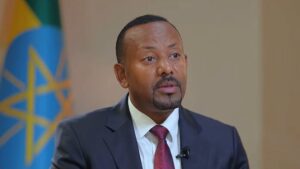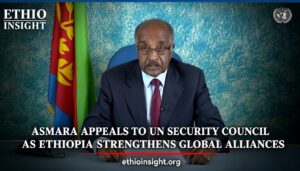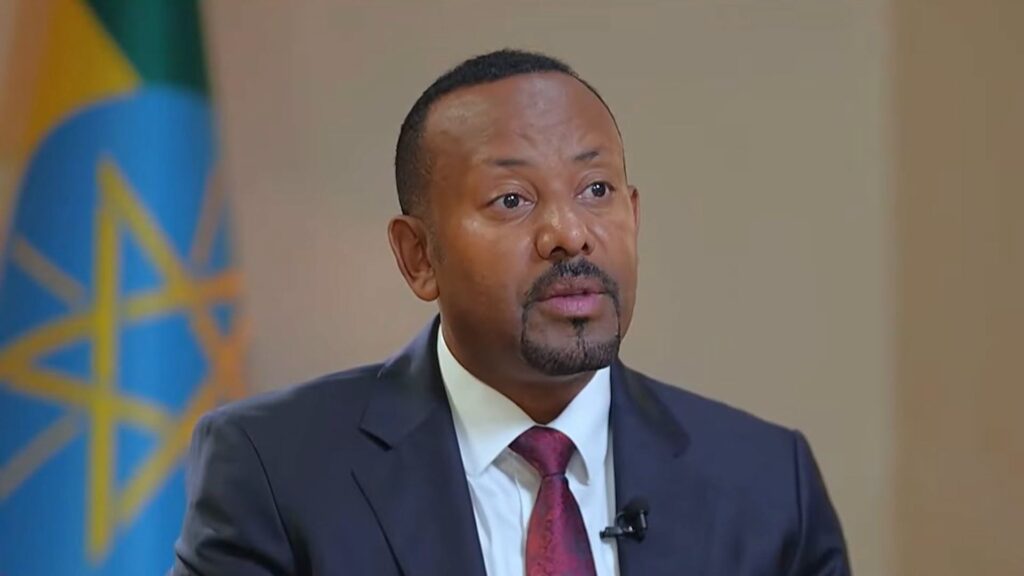
ADDIS ABABA – Prime Minister Abiy Ahmed has issued a stern, direct warning to the government of Eritrea, stating that Asmara faces “very, very, very severe consequences” if it continues to serve as a base and logistics hub for groups hostile to the Ethiopian state.
In an extensive Tigrigna-language interview broadcast by the state-affiliated Ethiopian Broadcasting Corporation (EBC), Prime Minister Abiy addressed the rapidly deteriorating bilateral relations between Addis Ababa and Asmara. The warning follows weeks of mounting kinetic friction, border realignments, and the complete severance of formal diplomatic ties between the two nations.
“Anything apart from good neighbourly relations is not beneficial,” Abiy stated during the broadcast. “I believe that choosing to become a hub for enemies when one can be a partner in development is not beneficial. I believe the consequences of turning a deaf ear to our call will, however, be very, very, very severe.”
Reflecting on historical economic shifts since Eritrea’s 1993 independence, Abiy remarked that Eritrean urban centers have lost the industrial vibrancy and prosperity they once held when integrated with Ethiopia, contrasting current conditions in Asmara, Massawa, and Assab against broader regional developments.
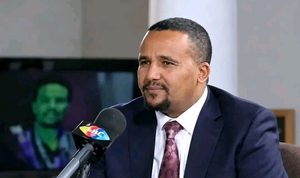
Turning to the internal security landscape in northern Ethiopia, Prime Minister Abiy criticized the leadership of the Tigray People’s Liberation Front (TPLF) for failing to honor the implementation framework of the November 2022 Pretoria Agreement. He accused TPLF commanders of prioritizing arms accumulation and youth recruitment over disarmament and reconstruction.
Directly addressing young fighters in Tigray, Abiy urged them to lay down their weapons and enter the formal Disarmament, Demobilization, and Reintegration (DDR) pipeline.
“Why should you die? Why should you be wounded so that they can live in luxury?” Abiy asked, alleging that political leaders continue to send young people into combat while shielding their own families in Addis Ababa or abroad.
The Prime Minister called on political and military leaders of the Tigray front to pursue a peaceful surrender, emphasizing that the region’s future must be anchored in economic revitalization including agriculture, irrigation, mining, and education—rather than the survival of a single political organization.
As diplomatic channels remain gridlocked and military positioning intensifies along the northern frontier, political analysts note that Abiy’s remarks signal an increasingly uncompromising federal posture toward both external proxy networks and armed domestic challenges.