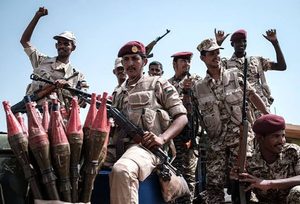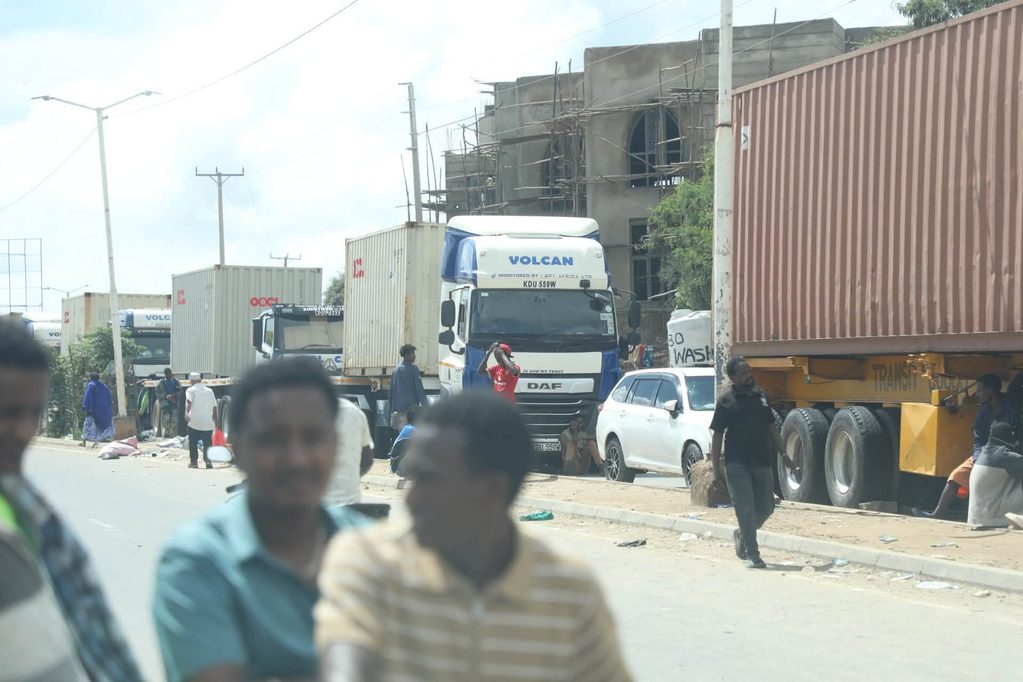
MOYALE – A guided evacuation of more than 300 Kenyan trucks stranded in Ethiopia following clashes around the Moyale border crossing began on Thursday under military escort, offering initial relief after weeks of halted transit and insecurity.
By 11:00 AM on Thursday, the first 40 vehicles had been released and arrived safely on the Kenyan side of Moyale, according to Kenya Transporters Association (KTA) chairman Newton Wang’oo. The movement followed diplomatic efforts involving Kenyan authorities and the KTA after Wang’oo notified transporters on Wednesday to prepare drivers for an escorted convoy starting Thursday morning.
The standoff stems from clashes linked to territorial and administrative disputes involving Oromo and Somali communities in Ethiopia’s Moyale area, which disrupted movement along the border after drivers had entered Ethiopia in mid-October carrying cargo toward destinations including Jijiga. Some drivers had spent more than 35 days in Ethiopia while facing shortages of food, water, sanitation facilities, and other basic necessities.
During the height of the unrest, some drivers reported being told to leave designated parking areas due to deteriorating security, while others crossed into Kenya on foot or via alternative routes amid gunfire and explosions near parking zones, leaving vehicles and cargo behind. One returning driver, Aden Barissa, said living without basic amenities for more than 35 days had been difficult and welcomed the diplomatic intervention and military escort.
The KTA had appealed on November 17 to Kenya’s Ministry of Foreign and Diaspora Affairs and Kenya’s ambassador to Ethiopia for urgent diplomatic engagement, noting roughly 300 trucks and their crews faced uncertainty about five kilometers from the border amid reports of border officials abandoning duty posts and delayed clearances.
The association urged coordination with Ethiopian security and border authorities for safe passage, priority clearance for empty trucks, and essential supplies for drivers.
The border disruption has slowed trade along the Moyale corridor affecting freight from Mombasa and other supply centers as well as commodities sourced from Ethiopia for Kenyan border markets—while tens of thousands of displaced Ethiopian civilians have fled into Kenya’s Marsabit County, straining local communities and humanitarian services.
While the initial escorted release of trucks marks a practical step toward easing pressure on drivers and transporters, full resumption of cross-border commerce will depend on sustained security on the ground and durable stability around Moyale. Continued coordination between authorities and transport stakeholders remains critical to protect remaining crews and restore normal trade flows across the Ethiopia–Kenya frontier.