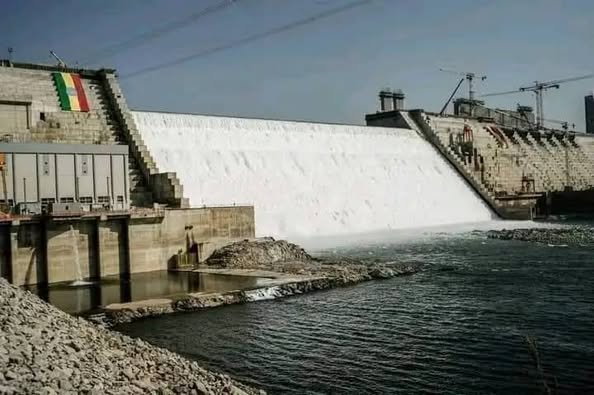
One of the most significant and consistently trending news stories regarding Ethiopia revolves around its ambitious Grand Ethiopian Renaissance Dam (GERD) project on the Blue Nile and the ongoing diplomatic tensions with downstream nations, particularly Egypt and Sudan.
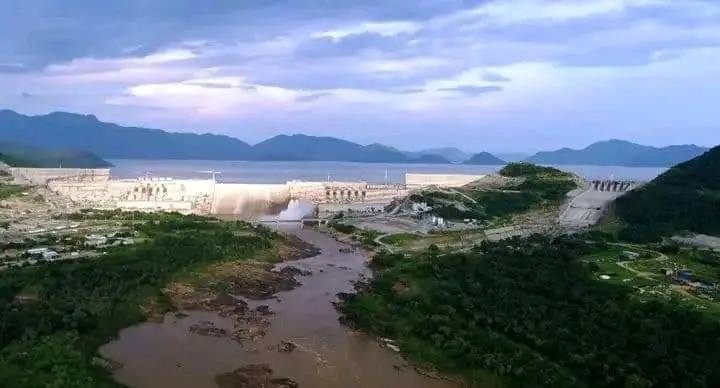
Ethiopia’s Stance and Project Progress:
Ethiopia continues to assert its sovereign right to utilize the Nile waters for its development and energy needs. Recent British documents, declassified and reported ( Diplomacy Magazine ) on June 9, 2025, highlighted Ethiopia’s long-held belief, even during the Mubarak era in Egypt, that no external power could halt its projects on the Nile.
This historical perspective reinforces Ethiopia’s current resolve to continue the filling phases of the GERD reservoir despite objections from Egypt and Sudan. The dam is seen as crucial for Ethiopia’s economic growth and providing electricity to millions. Prime Minister Abiy Ahmed’s government has emphasized the nation’s determination to achieve self-sufficiency, with the GERD being a cornerstone of this vision.
Concerns from Downstream Nations:
According to Atlantic Council , Egypt and Sudan, heavily reliant on the Nile for their water supply, view the GERD as a significant threat to their national security and water resources. They are concerned about the dam’s filling and operation, fearing it could drastically reduce their water share. Despite numerous rounds of negotiations, a binding agreement on the dam’s operation and its potential impact remains elusive. The lack of a comprehensive water-sharing agreement has led to “continued uncertainty about the volume of water which will be available to Egypt” in the coming century, as noted in the declassified British documents.
Humanitarian and Economic Context:
Beyond the GERD, Ethiopia faces a complex internal situation. While the government is pursuing economic reforms and has recently announced becoming Africa’s top wheat producer, surpassing Egypt threefold, humanitarian challenges persist. The country has grappled with internal conflicts, particularly in the Tigray and Amhara regions, leading to displacement and hindering humanitarian aid efforts. These internal issues, combined with high inflation and a depreciating currency, add layers of complexity to Ethiopia’s overall development trajectory and its engagements on regional matters like the GERD.
In essence, the GERD remains a focal point of regional and international attention, symbolizing Ethiopia’s aspirations for development and the ongoing challenges of water resource management in a climate-vulnerable region, intertwined with its complex internal political and economic landscape.