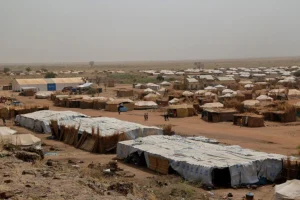
For days known for vibrancy and bustling cross-border commerce, the Ethiopian-Kenyan border town of Moyale has spent nearly a month gasping in a silence mixed with blood. What began months ago as an unnecessary disagreement over flag-raising along the borders of the Oromia and Somali regional states has now completely escalated into a bitter humanitarian emergency.
Today, as the thunder of heavy artillery shakes the border and thousands of citizens collapse in exhaustion on bare ground under the northern Kenya sky, the scale of suffering has been exposed as severe. Critics note that this crisis reflects not only the failure of regional administrations but also the concerning silence maintained by the federal government in Addis Ababa.
From the inception of the conflict, continuous monitoring has tracked unfolding events on the ground. Recent field interviews, cross-border data, and official joint assessments have revealed shocking realities. The town has been emptied of its living heart; more than 50,000 displaced persons face existential danger, and multi-ethnic traders and laborers who migrated from other regions for commerce and daily wage work have been left to their fate.
The security situation in and around Moyale remains highly volatile. Field reports and interviews indicate that apart from sporadic fighting that erupted following earlier escalations, a durable resolution remains elusive. While periodic relative lulls create a false sense of security, heavy artillery, mortar barrages, and nocturnal gunfire repeatedly shatter the peace.
Regional officials on the Ethiopian side have reported widespread internal displacement across at least eight districts in the Oromia and Somali regions, with high risks of the conflict spilling into neighboring zones. Errant shells and explosives have repeatedly crossed the border into Kenyan territory, destroying civilian property, endangering public institutions, and causing loss of life.
Marsabit County Governor Mohamud Ali Abshiro confirmed that cross-border explosives injured 22 people and resulted in two fatalities on the Kenyan side.
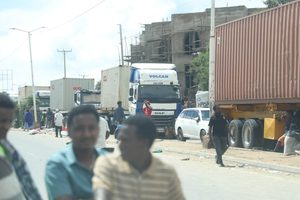
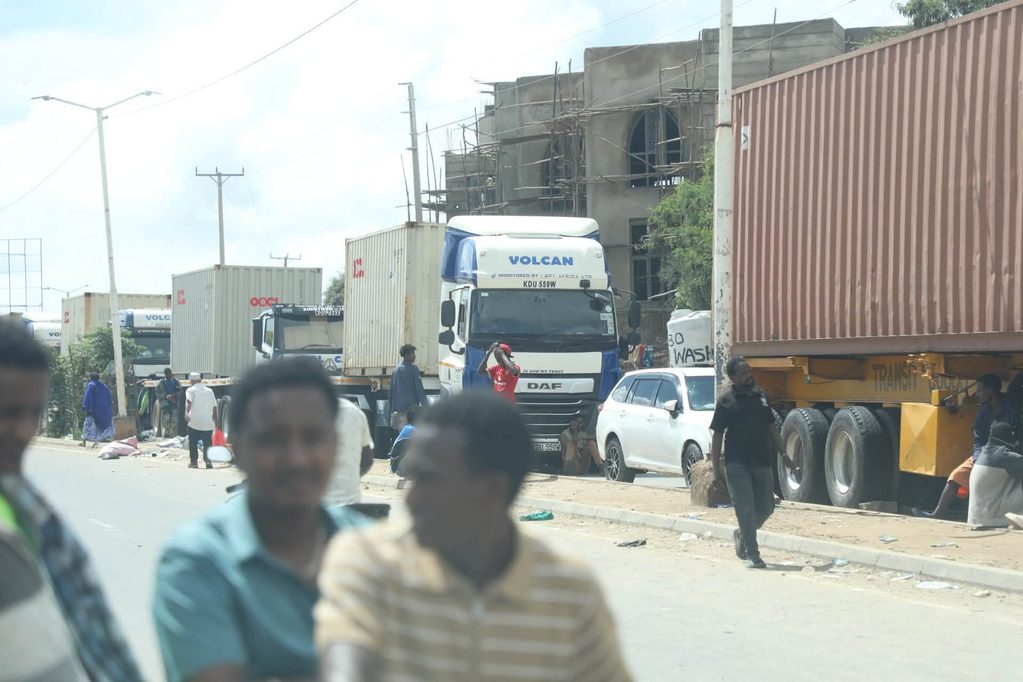
Behind the frontline battle zones, the civilian infrastructure has completely collapsed. Field interviews with cross-border traders confirm that major customs and immigration checkpoints are entirely shut down.
With thousands of tons of goods, commercial trucks, and daily commuter routes blocked, citizens are fleeing via dangerous and clandestine desert routes through Tika using motorcycles and perilous journeys.
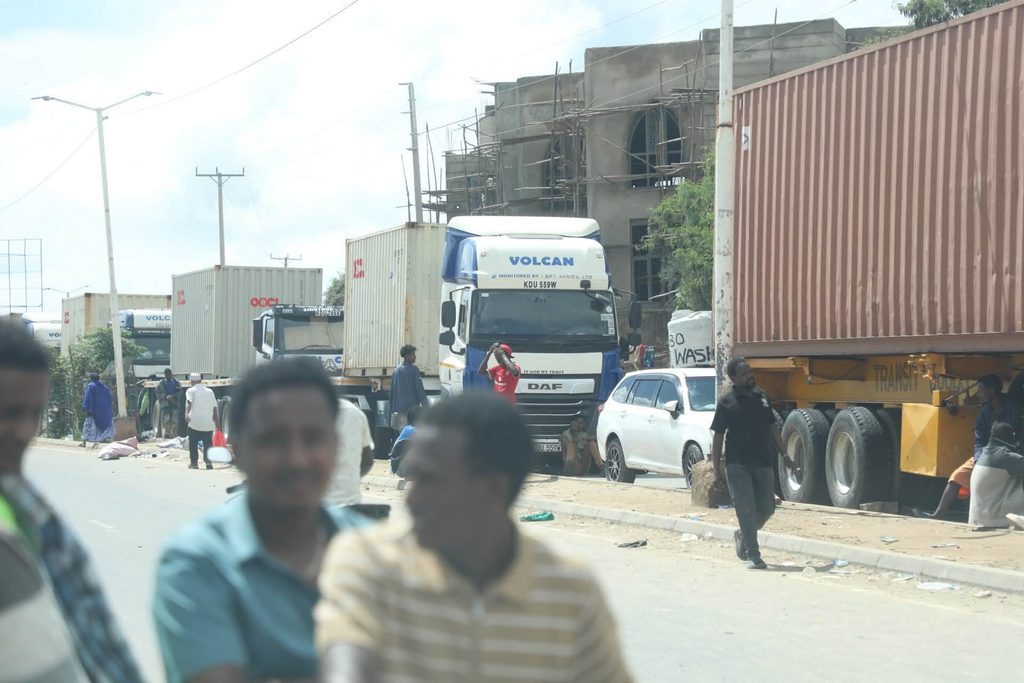
“The main road is closed; there is no transport whatsoever, no presence of federal bodies, and no dialogue offering hope,” a local resident shared in a confidential interview. “People are fleeing with nothing. The town is wrapped in silence and emptiness.”
While mainstream media reports view the Moyale conflict solely through the prism of the Oromo-Somali regional dispute, WT Media investigative findings expose another neglected reality: the severe toll borne by vulnerable communities hailing from southern Ethiopia.
Moyale has long served as an economic sanctuary for thousands of daily laborers, small traders, and permanent workers who migrated from the Southern Ethiopia region such as the Wolaita, Burji, Kore, Konso, and other communities due to a lack of local employment opportunities. Today, these citizens find themselves caught in the crossfire of a political conflict they had no part in creating.
With commercial houses, banks, and schools completely shuttered, 90 percent of Moyale’s population has fled. Between 10 and 15 percent crossed into Kenya’s Marsabit County to seek refuge, while roughly 70 percent fled northward toward Yabelo and Mega.
“People have realized that no property is worth more than their lives,” a local trader remarked. Permanent merchants and daily workers alike have abandoned everything, locking their homes, leaving property looted, and scattering families. Daily wage earners dependent on immediate income face acute hunger.
Joint assessments conducted by the Kenyan government, Marsabit County, the International Organization for Migration (IOM), the UNHCR, and United Nations partners have illustrated the profound humanitarian crisis unfolding on Kenyan soil.
By mid-November, between 50,000 and 60,000 displaced persons had crossed into the Moyale area of Kenya. The demographic composition is deeply alarming: more than half are children (many under the age of three to five), accompanied by women, the elderly, and vulnerable individuals.
A rapid needs assessment conducted across 758 households highlighted stark vulnerabilities:
- 71 percent of surveyed households reported having insufficient food, while 80 percent designated food as their most urgent need.
- 44 percent lacked adequate drinking water, and over three-quarters lacked handwashing facilities.
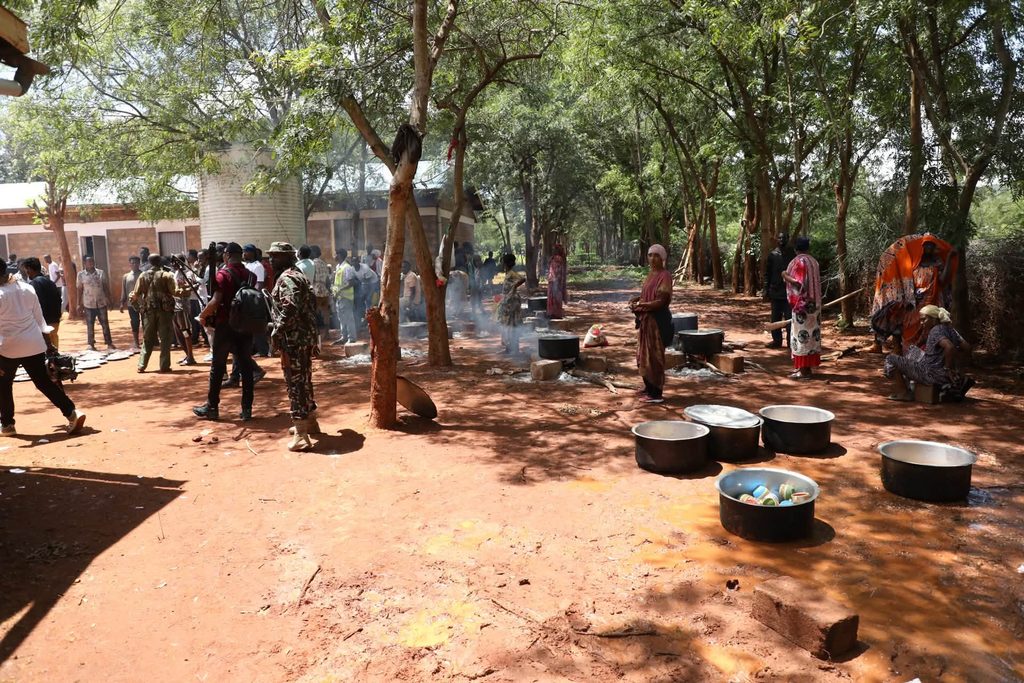
- Conditions in temporary shelters such as Somare, Taqwa Mosque, and St. Mary’s Catholic Church have created severe health hazards, with confirmed outbreaks of measles and rubella.
- More than half of the households could not access medical care due to exorbitant costs and medicine shortages. Individuals wounded by gunshot shrapnel had to be rushed to Awasa or distant clinics under extreme distress, with the status of others remaining unconfirmed.
Although the Marsabit County community and administration welcomed and supported displaced persons, the magnitude of the crisis has outstripped local capacity, forcing many to shelter in schools and under the open sky.
Marsabit County Governor Mohamud Ali Abshiro issued a renewed call for urgent national and international intervention.
“The humanitarian cost of this conflict is devastating… families have been uprooted, children’s lives disrupted, and communities forced to suffer in a conflict they did not create,” Governor Abshiro stated.
While agencies like IOM, UNHCR, UNICEF, the Kenya Red Cross, and others have scaled up food distributions, medical screenings, and water supplies, the volume of need far exceeds current aid provisions.
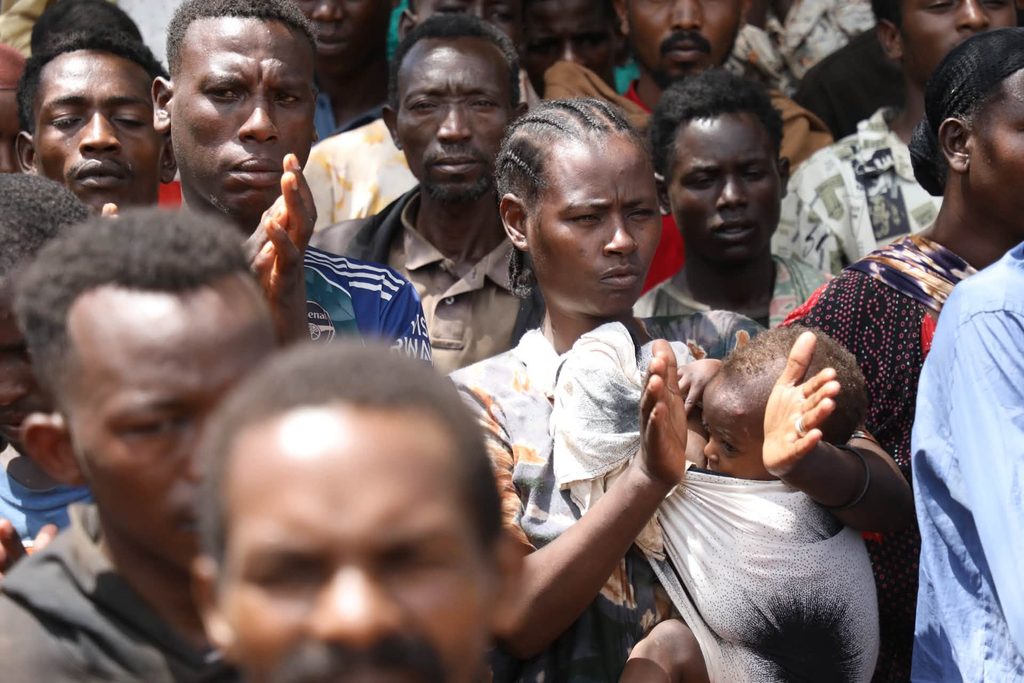
Amidst this human suffering, the response of the federal government and regional administrations has generated deep public anger.
Elders and community leaders maintain that the federal government possesses the constitutional authority and military capability to halt regional security forces and bring regional leaders to the negotiating table. Instead, the government’s response has been criticized as inadequate and delayed, leaving citizens to bury loved ones and abandon assets.
“The federal government is watching silently while people are slaughtered and driven into exile,” community representatives stated. “If Addis Ababa wanted peace to prevail in Moyale, this conflict could have ended on day one.”
In response to the escalating humanitarian emergency, community stakeholders have issued three core demands:
- Immediate Ceasefire and Peace Calls: Elders, religious leaders, and community members urge both sides to drop arms and return to peaceful dialogue.
- Humanitarian Access and Corridors: International organizations, domestic donors, and county administrations are called upon to open humanitarian corridors and sustain assistance for displaced populations.
- Rights and Security Guarantees: Governmental actors and human rights defenders must provide legal and permanent security guarantees for innocent civilians, small traders, and vulnerable groups.
The crisis in Moyale transcends a regional border dispute; it represents an urgent national test threatening fundamental human rights and economic security. Remaining silent while thousands of children, mothers, and the elderly suffer through hunger and displacement constitutes a moral failure. The federal government, regional administrations, and all stakeholders must set aside political divisions to prioritize immediate peace and public preservation. Moyale can only return to being a land of peace, commerce, and shared coexistence when political contempt is replaced by compassion and justice.