Ethiotel Lists On ESX Under Ticker TELE After Raising 20 Million In Initial Public Offering
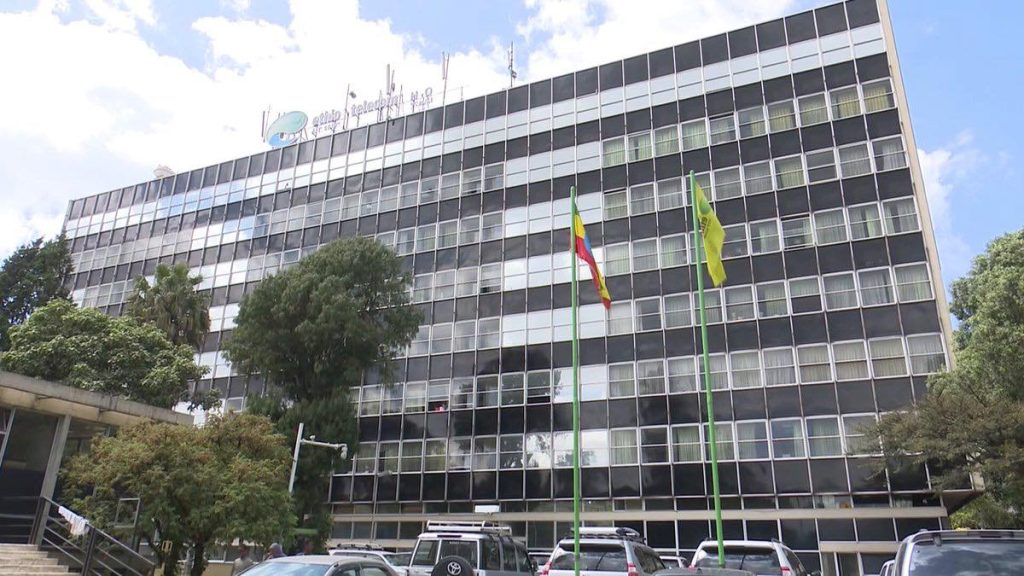
ADDIS ABABA – In a milestone shift for East Africa’s economic landscape, Ethiopia’s state-owned telecommunications giant, Ethio Telecom (Ethiotel), officially listed its shares on the newly established Ethiopian Securities Exchange (ESX). Trading under the ticker symbol TELE, the listing marks a historic double-first: Ethiotel is the country’s first state-owned enterprise (SOE) and its first non-financial corporation to debut on the secondary trading bourse.
The public listing represents the operational culmination of the government’s Homegrown Economic Reform agenda, aimed at dismantling decades of rigid state monopolies and seeding local capital markets. However, the celebratory ringing of the opening bell has been significantly tempered by the final fundraising figures.
Data confirmed at the launch revealed a stark disconnect between administrative ambitions and reality on the ground. The initial public offering (IPO), which concluded its retail enrollment phase following an extended four-month subscription window, raised approximately 3.2 billion Ethiopian Birr ($20 million).
This represents an intake of just over 10.7 percent of the government’s original 30 billion Birr ($187 million) public target. Out of the 100 million ordinary shares initially floated to anchor the market, only 10.7 million shares were successfully purchased by local buyers.
Ethiotel Market Debut Performances
- Stock Exchange Ticker: TELE
- Final Capital Raised: 3.2 Billion Birr (~$20 Million)
- Target Capital Goal: 30 Billion Birr (~$187 Million)
- Verified Local Retail Shareholders: 45,366 Citizens
- Total Percentage of Shares Sold: 10.7% of Offered Float
According to financial analysts tracking the historic transition, the under-subscription is not reflective of Ethiotel’s underlying commercial health. The company controls roughly 94.5 percent of Ethiopia’s massive domestic telecom market and recently posted an annual revenue surge to over 91.4 billion Birr.
Instead, experts point to highly restrictive regulatory parameters that structurally choked off major inflows of capital:
- The Diaspora and Foreign Ban: The initial 10 percent public float explicitly barred international funds, cross-border institutional investors, and the heavily capitalized Ethiopian diaspora.
- Strict Individual Ceilings: To foster egalitarian public wealth distribution and block elite accumulation, individual purchases were strictly capped at a maximum of 3,333 shares (roughly $8,300) per applicant.
- Exclusive Digital Funnels: Shares could only be legally subscribed to and paid for through Ethiotel’s proprietary mobile money application, telebirr. While a breakthrough for regional fintech integration, the lack of traditional banking options alienated less tech-literate domestic retail savers.
During a post-listing evaluation, Ethio Telecom CEO Frehiwot Tamru acknowledged that 248 foreign nationals who bypassed instructions to buy 105,000 shares were flagged by automated checks and completely disqualified from ownership under current citizen-only provisions.
Despite the modest capital generation, the ESX central registry has successfully dematerialized and digitized 10.1 million shares. This formally clears 45,366 verified local citizens to actively buy, sell, and transfer equity through licensed domestic brokerages.
ESX Chief Executive Officer Tilahun Esmael Kassahun hailed the moment as a landmark precedent for structural transparency and governance in Ethiopia. Moving forward, the company’s financial discipline will face unprecedented scrutiny as it answers to thousands of private retail owners during its upcoming inaugural Annual General Meeting (AGM).
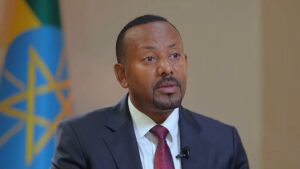
For the Prime Minister Abiy Ahmed administration, the subdued retail turnout simply pivots focus toward the broader privatization blueprint. To secure the deep foreign currency reserves the state initially sought, officials are reportedly loosening constraints for a prospective second round. This includes reopening stalled negotiations to sell a massive, separate 45 percent commercial stake directly to international telecom operators