Growth Insurgency And The Diminishing Civic Space In Ethiopias 2026 Election
Growth, Insurgency, and the Diminishing Civic Space in Ethiopia’s 2026 Election
ADDIS ABABA – Voting commenced across Ethiopia on Monday June 01, 2026 for parliamentary and regional elections heavily favored to secure a decisive victory for Prime Minister Abiy Ahmed’s ruling Prosperity Party. Yet, beneath the official optimism of economic triumph and democratic independence, the ballot takes place against a backdrop of deep ethnic fracturing, localized insurgencies, and an increasingly constrained civic space that challenges the democratic promises of 2018.
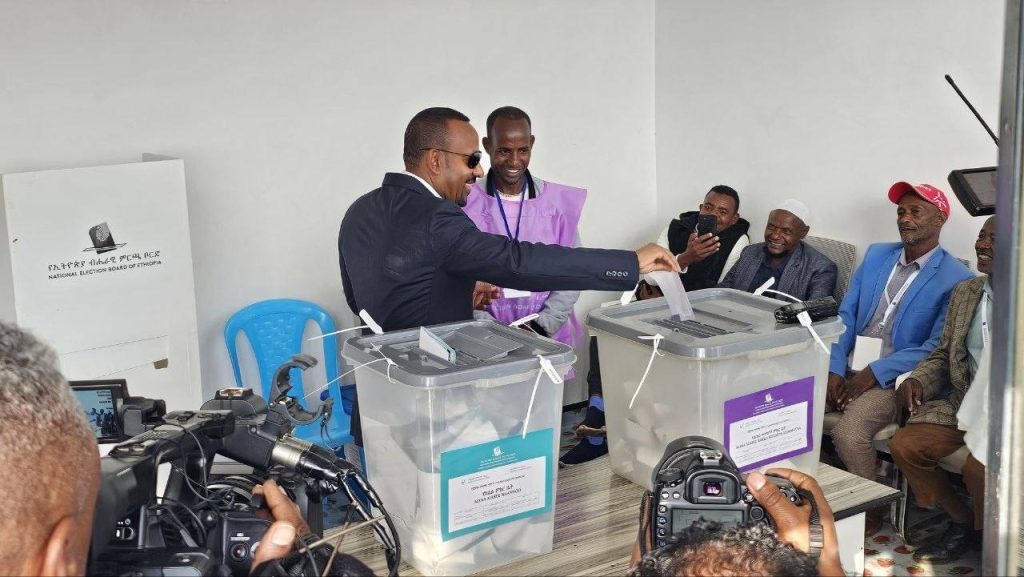
Casting his ballot in his hometown of Beshasha within the Oromiya region, Prime Minister Abiy Ahmed projected a message of absolute national self-determination.
“The Ethiopian people have demonstrated that they do not need anyone to advise or lecture them in order to build their state and establish a democratic system,” Abiy stated, heralding the upcoming five years as a “period where we see many historic turning points for Ethiopia.”
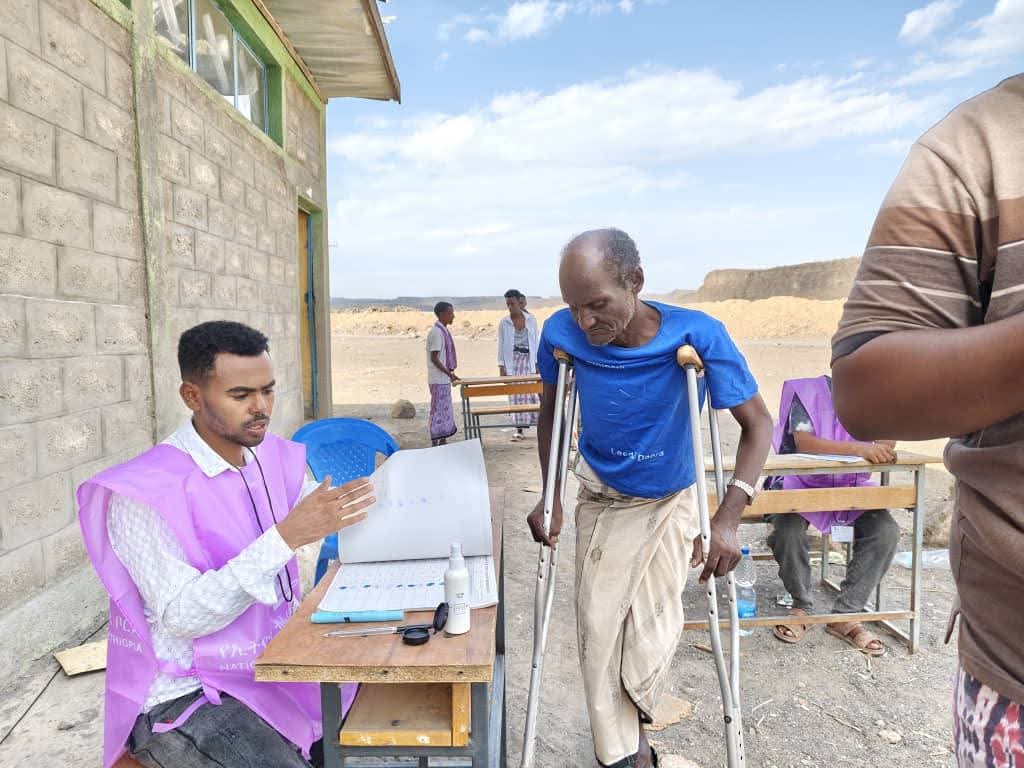
Backing this sovereign confidence, the Prosperity Party’s campaign has rested squarely on its macroeconomic record. In Africa’s second-most populous nation where nearly half of the 135 million population is under the age of 18 officials are projecting an ambitious economic growth rate topping 10% for 2026. This trajectory positions Ethiopia as one of the fastest-growing economies on the continent, with ruling party candidates aggressively touting milestones in domestic food security and infrastructural expansion.
Monitoring the initial roll-out, Uhuru Kenyatta, the former Kenyan President and head of the African Union Election Observation Mission, noted that the voting process was progressing smoothly. Kenyatta emphasized Ethiopia’s symbolic weight, noting that as the diplomatic capital of the continent, “a success here resounds across the continent.”
Despite the smooth operational baseline noted by observers in stable sectors, the structural reality of the election is severely fragmented. The Prosperity Party faces a deeply divided opposition weakened by internal rivalries, but its primary challenge stems from ongoing armed insurgencies rooted in grievances over ethnic marginalization within the federal system.
The security vacuum has completely disenfranchised massive swathes of the country’s two largest regions:
Total Registered Voters: 50M+ ───► [Tigray Region: NO VOTING] (Post-war political turmoil) ───► [Amhara Region: PARTIAL VOTING] (Fano insurgency excludes 8/138 seats)
The Northern Rim (Tigray): No election is taking place in the Tigray region. Organizers explicitly cited “unfavourable conditions” born from the volatile aftermath of the two-year civil war (2020–2022) and ongoing political turmoil. Recent moves by Tigray’s main political faction to reassert unilateral administrative control have further heightened fears of fresh unrest.
- The Amhara Heartland: In the neighboring Amhara region, the Fano militia has seized significant rural territory since 2023. As a direct consequence, the National Election Board was forced to cancel voting in at least 8 of Amhara’s 138 constituencies.
- The Oromiya Conflict: In Abiy’s native Oromiya region to the south, persistent combat between government forces and the separatist Oromo Liberation Army (OLA) continues to claim hundreds of lives, severely complicating the security architecture of the vote.
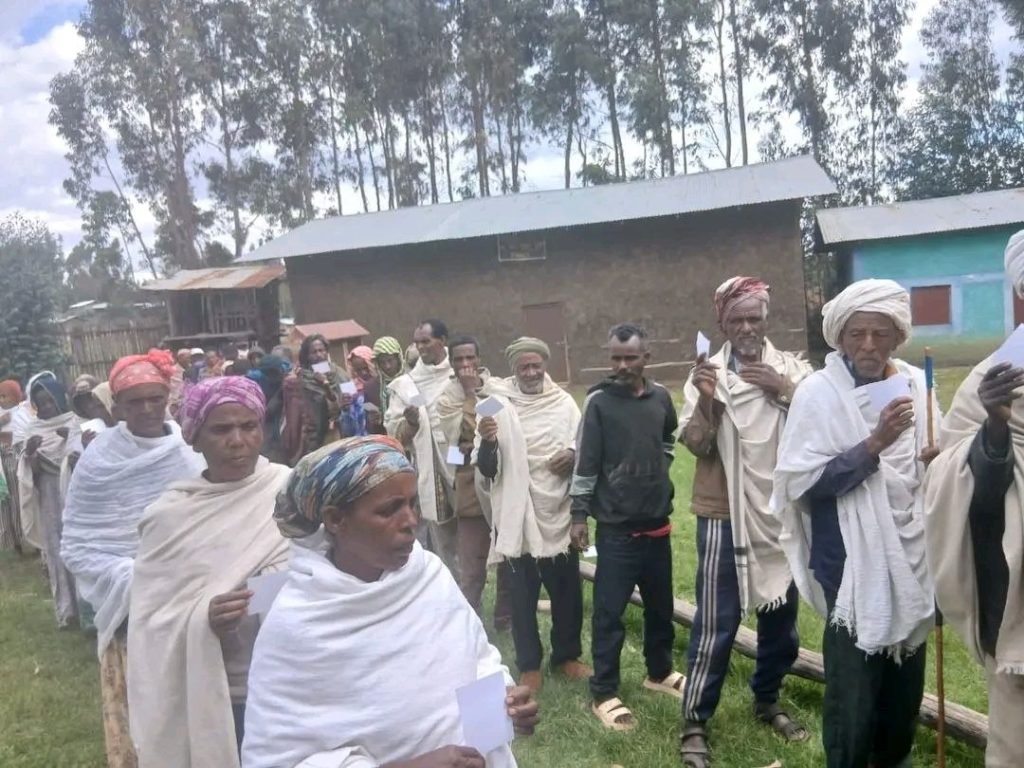
For critical discourse analysts and human rights defenders tracking the Horn of Africa, the 2026 election serves as a stark metric of how far the country has drifted from the euphoric reforms of 2018. When Abiy Ahmed initially assumed power following mass anti-government protests against the long-ruling EPRDF coalition, his first actions were marked by historic liberalization: opening up state-controlled economic sectors, freeing political prisoners, and lifting bans on civil society and the press. This rapid detente, particularly ending the frozen conflict with Eritrea, earned him the Nobel Peace Prize in 2019.
Today, opponents and rights advocates accuse the administration of systematically dismantling those foundational gains. The federal government stands accused of undermining the opposition through arbitrary detentions of political leaders and constructing deliberate legal hurdles to paralyze alternative political movements allegations the state continues to firmly deny.
The constriction of the civic sphere is mirrored by a severe clampdown on independent international journalism. Reuters, for instance, has been unable to report from inside the country since mid-February 2026, after the Ethiopian Media Authority systematically declined to renew the press credentials of its three Addis Ababa-based journalists. The state routinely defends these hardline measures as unpleasant necessities to safeguard fragile national security.
Beyond internal fractures, the government’s post-election tenure will be instantly tested by deteriorating regional diplomacy. The historic 2018 rapprochement with Eritrea has fully disintegrated into fresh animosity.
The catalyst for tension is Abiy’s repeated public declarations that landlocked Ethiopia possesses an “existential” right to direct sea access. Though Addis Ababa insists it intends to pursue this access purely through peaceful dialogue, Asmara which won independence from Ethiopia in 1993 views the persistent rhetoric as an implicit threat of imminent military aggression.
As election officials prepare to tally the votes ahead of the June 11 results deadline, the structural outcome within parliament remains a foregone conclusion. The Prosperity Party, which secured 410 out of 484 parliamentary seats in the delayed 2021 polls, will easily consolidate its legislative dominance.
However, the true “historic turning point” for Ethiopia over the next five years will not be measured by the margin of the Prosperity Party’s victory, but by whether the re-elected administration chooses to address its internal structural crises through the blunt instrument of military campaign, or through the far more complex path of genuine, inclusive national dialogue.