Repatriation Of Undocumented Migrants Exposes African Border Frictions Picture By Reuters
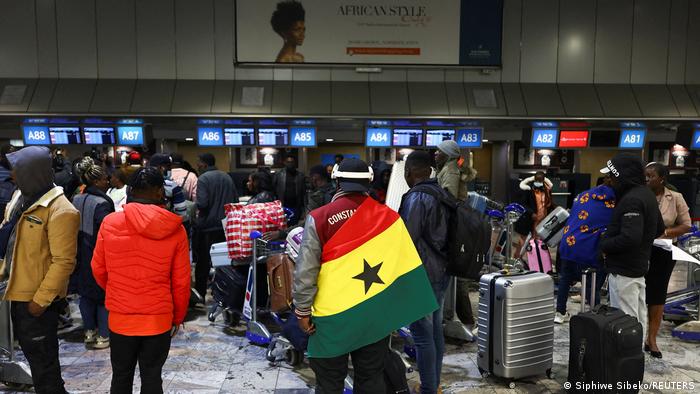
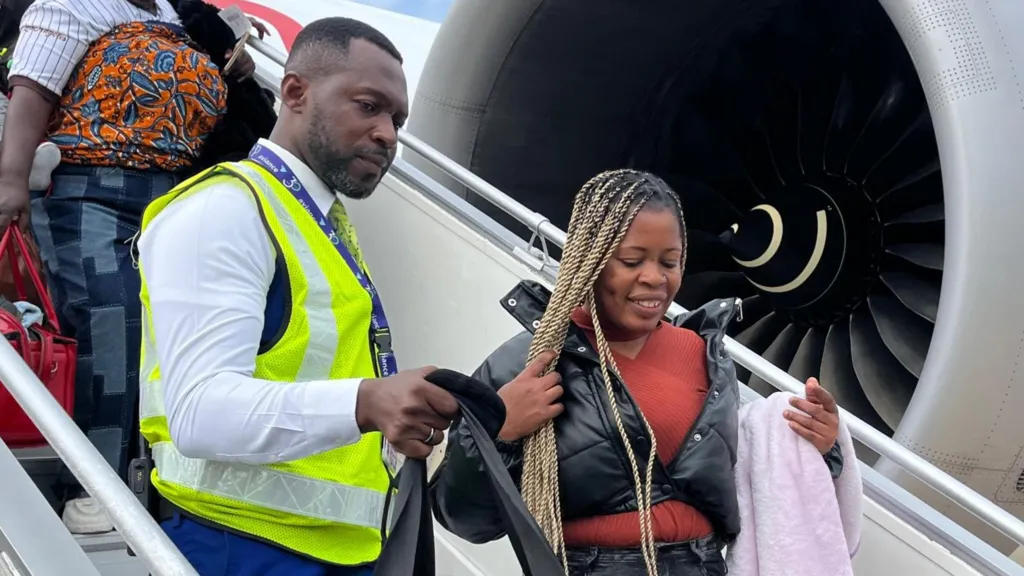
A shifting economic landscape and escalating social fractures have once again turned South Africa into a volatile theater for foreign nationals. In a coordinated diplomatic rescue mission, the Ghanaian government on Wednesday, May 27, 2026, officially repatriated the first wave of nearly 300 citizens from Johannesburg to Accra. The emergency airlift follows weeks of aggressive, nationwide anti-immigrant protests and vigilante actions targeting sub-Saharan migrants.
According to official updates from both Accra and Pretoria, this initial flight which included women and children is part of a broader voluntary repatriation program that has already registered close to 800 Ghanaian nationals who say they no longer feel safe.
While Ghana’s High Commissioner to South Africa, Benjamin Quashie, framed the operation as a harmonious, joint effort to safeguard lives and preserve bilateral ties, the repatriation has exposed systemic immigration frictions.
A senior South African immigration official, speaking to local television broadcaster eNCA, revealed a stark bureaucratic reality: out of the 300 evacuees who boarded the initial flight at O.R. Tambo International Airport, only 10 possessed valid legal residency or work permits. The remaining majority had overstayed their visas or entered undocumented, forcing the Ghanaian Embassy to issue emergency one-way travel certificates to facilitate the exit.
The Ghanaian government has pledged a comprehensive “Welcome Home” package for the returnees, offering immediate psychosocial counseling, financial reintegration aid, and access to domestic start-up opportunities. Officials confirmed that the next evacuation flight from Johannesburg to Accra is scheduled for this coming Sunday.
For regional analysts tracking continental migration, the re-emergence of violent xenophobia is directly tied to South Africa’s macroeconomic deterioration. As Africa’s most industrialized economy, the nation has historically served as a magnet for both skilled and undocumented labor from across the continent.
However, with a staggering domestic unemployment rate now exceeding 30 percent, right-wing movements and grass-roots campaigns such as the active “March and March” movement have increasingly scapegoated foreign nationals for crime and public service shortages.
The diplomatic fallout is already spilling into continental institutions. Ghana has officially petitioned the African Union ( #AU ) to place South African xenophobia on the legislative agenda for the upcoming AU Mid-Year Coordination Meeting in June. As regional polarization rises, the crisis highlights a painful, structural paradox: while African leaders champion borderless trade under the #AfCFTA, economic desperation at home continues to fracture the foundational ideals of continental solidarity.