Can 4000 Delegates Shield Ethiopia From External Containment
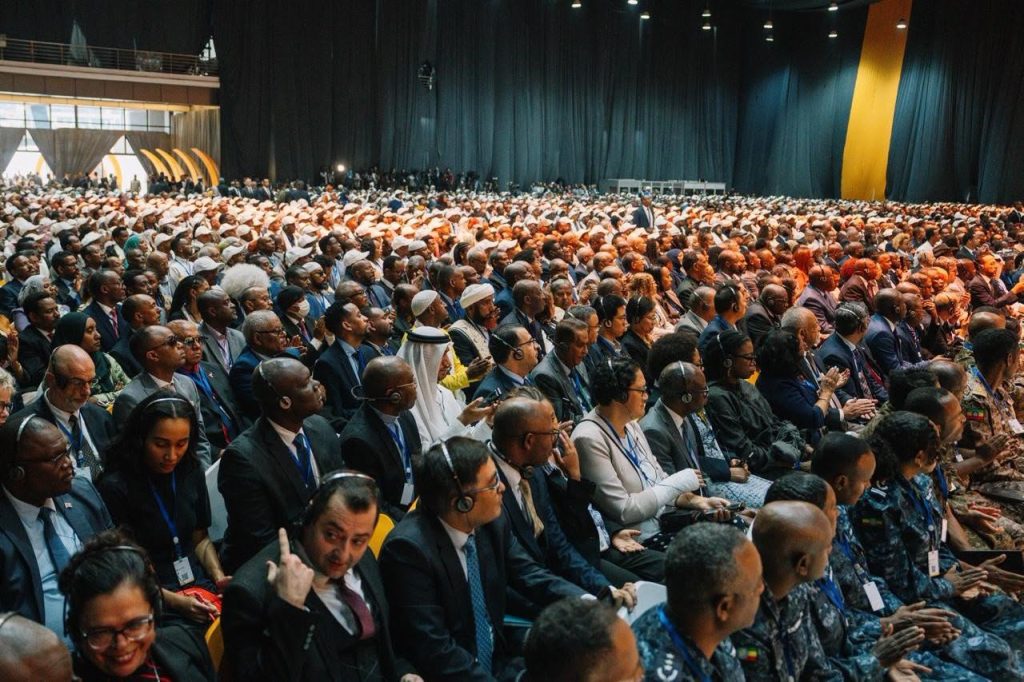
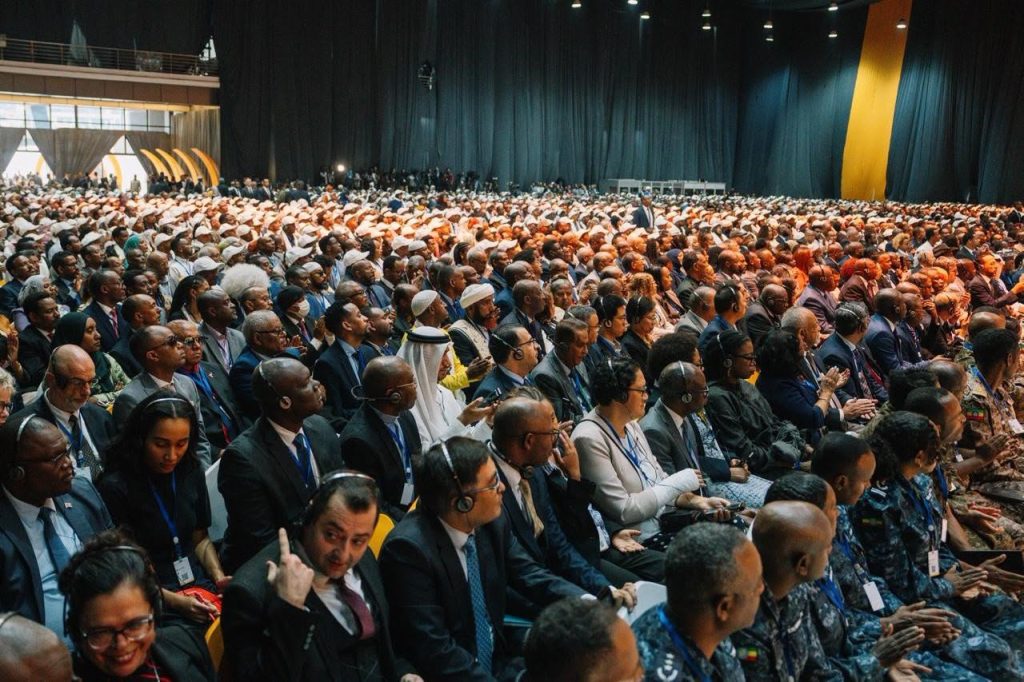
As more than 4,000 delegates gather in Addis Ababa for the National Dialogue Conference, Ethiopia finds itself at a historical crossroads. The state has explicitly framed this massive, multi-week assembly as a long-awaited social contract, a bottom-up attempt to iron out foundational domestic fractures over federalism, identity, and the constitution. Yet, precisely as the state attempts to rewrite its internal script, its external horizon is tightening.
The emerging maritime containment wall forged by the Cairo-Asmara axis across the Red Sea serves as a stark reminder of a structural geopolitical reality: A state’s external leverage is directly bound to its domestic cohesion.
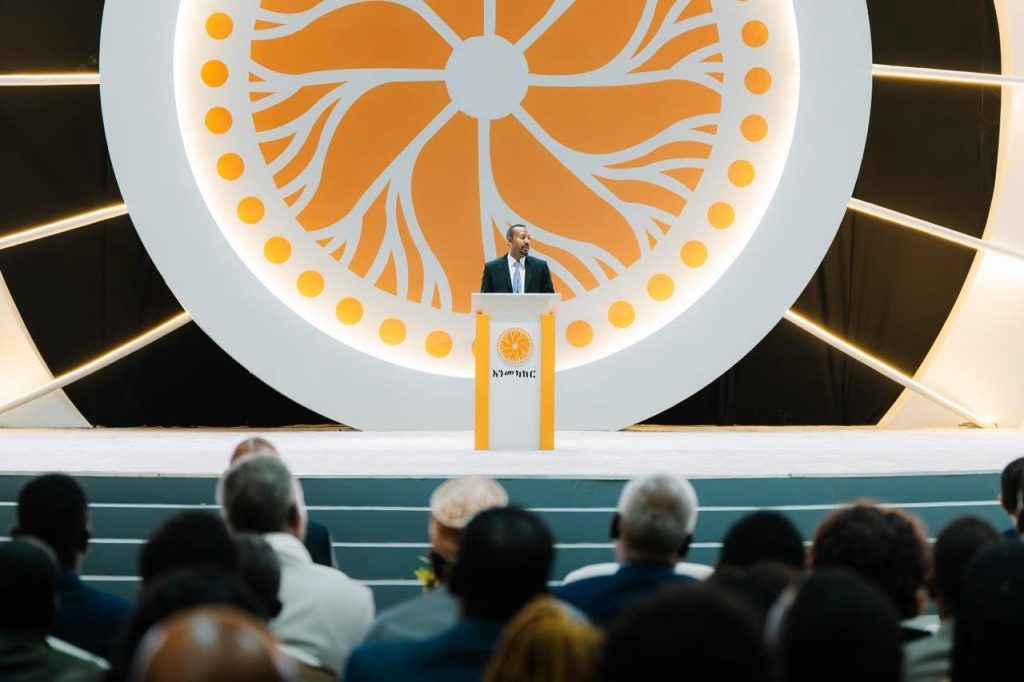
The National Dialogue Commission’s agenda covers critical pillars of state-building, aiming to substitute dialogue for the historical cycle of political violence. Prime Minister Abiy Ahmed has heralded the forum as a historic opportunity to establish a consensus that successive political groups cannot easily alter.
However, an analytical examination reveals a glaring paradox in the internal front:
- The Inclusivity Gap: Prominent opposition parties and armed actors continue to boycott or heavily criticize the process. They argue that voting mechanics such as the 70% supermajority threshold for foundational constitutional questions threaten to create artificial “winners and losers” rather than genuine, deep-seated reconciliation.
- Persistent Insecurity: With localized conflicts and fragmentation lingering in various pockets of the country, the dialogue risks being viewed as an urban elite exercise sheltered in the capital, rather than a fully realized pan-Ethiopian settlement.

If the dialogue is perceived as merely shielding the political status quo rather than renegotiating the underlying rules of the state, it fails to achieve its primary strategic objective: a bulletproof domestic mandate.
While delegates in Addis Ababa debate the structural nuances of federalism, regional competitors are executing a realpolitik encirclement. The formalized cooperation between Egypt and Eritrea spurred heavily by Ethiopia’s controversial maritime memorandum of understanding (MoU) with Somaliland aims directly at containing Ethiopia’s naval and commercial ambitions.
This regional pushback targets a specific vulnerability. In international diplomacy, external actors rarely need to invent a state’s legitimacy gap; they merely need to operate inside it.
- Divided Attention: A federal government tied down by internal insurgencies, economic friction, and political mediation possesses less diplomatic bandwidth and material capability to assert itself in the volatile maritime corridors of the Bab-el-Mandeb Strait or the Gulf of Aden.
- The Vulnerability of Fragmentation: When a state is internally fractured, foreign adversaries find it far easier to project influence, manipulate domestic fault lines, and isolate that nation diplomatically on the world stage.
The ultimate success of the National Dialogue will not be measured by the eloquence of its final declarations, but by whether it can build a domestic foundation strong enough to withstand external containment.
For Ethiopia, domestic stability and maritime autonomy are inextricably linked. A credible internal political settlement generates authentic institutional resilience, which in turn reduces the leverage external rivals can exploit. If Addis Ababa wishes to break through the maritime blocks being laid by Cairo and Asmara, it must first successfully navigate the complex, deeply contested conversations happening inside its own walls.