GERD As A Bridge For Cooperation Sudans TASIS Offers A Different View
TASIS Breaks Ranks with Official Khartoum, Praises GERD as Symbol of Development
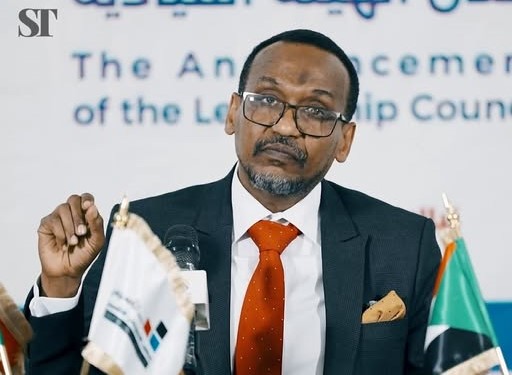
Khartoum, Sudan—In a significant shift from the official stance of the Sudanese government, the Sudan Founding Alliance (TASIS) has publicly congratulated Ethiopia on the inauguration of the Grand Ethiopian Renaissance Dam (GERD). The statement, issued as Ethiopia officially celebrated the completion of the dam, highlights a growing divergence in how different factions within Sudan view the controversial project.
TASIS Lauds GERD as a Symbol of Progress
In a statement provided by The Sudan Times and Rhino News, TASIS hailed the GERD as a “landmark in the country’s development and a symbol of self-reliance and sustainable growth.” The alliance, which is a coalition of anti-governmental political and paramilitary groups, described the project as an embodiment of “the aspirations of nations to harness natural resources for a more prosperous future.”
This celebratory tone stands in stark contrast to the historical position of Sudan’s internationally recognized government, which has often aligned with Egypt in expressing concerns over the dam’s potential impact on downstream water flow.
The TASIS statement urged that the GERD serve as “a bridge for cooperation among all Nile Basin countries—without exploitation or injustice.” This call for cooperation, while echoing a common diplomatic refrain, takes on a new meaning coming from a group that has formed a parallel government in areas under its control.
A Divergence from Official Khartoum’s Position
The congratulations from TASIS come at a time of deep political fragmentation in Sudan. While the official Sudanese government, led by the Sudanese Armed Forces, has maintained a cautious and often critical stance on the dam, the Sudan Founding Alliance’s endorsement reflects a potential alternative vision for Sudan’s foreign relations.

Historically, Sudan has been caught between the concerns of its powerful neighbor, Egypt, and the potential benefits offered by the GERD, such as access to affordable electricity and flood control. While Sudan has at times leaned towards supporting Ethiopia, it has also joined Egypt in demanding a legally binding agreement on the dam’s operation. However, the inauguration of the dam by Ethiopia without such an agreement has effectively shifted the dynamic, forcing a new reality upon all parties.
Broader Regional Reactions and Implications
Ethiopia officially inaugurated the GERD on September 9, 2025, in a ceremony attended by several African leaders, including the presidents of Djibouti, South Sudan, Somalia, and Kenya. This broad show of support from regional allies underscores the dam’s significance as a symbol of African self-reliance and development.
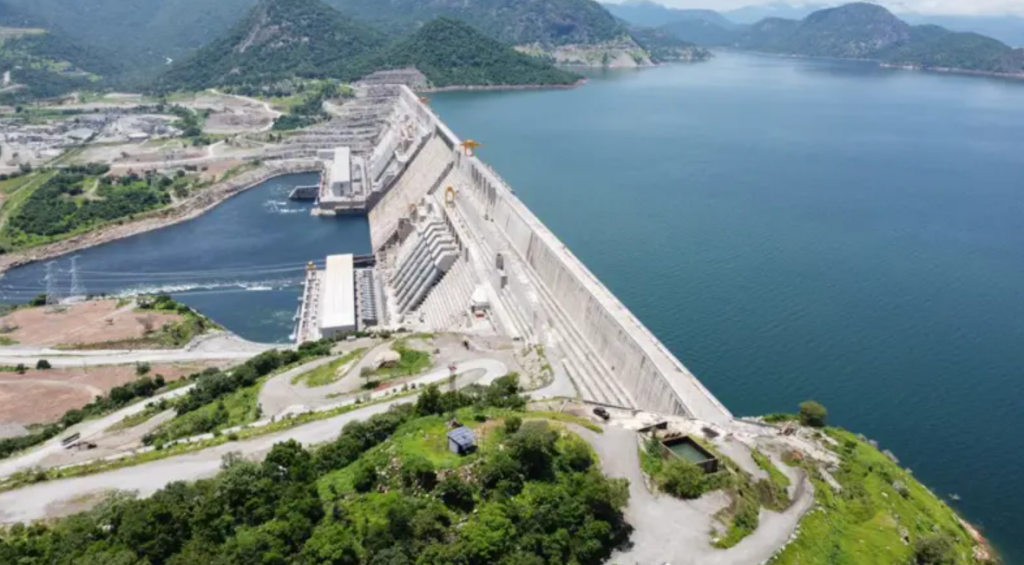
In contrast, neither Egypt nor the official Sudanese government sent representatives to the ceremony. In response to the inauguration, Egypt’s foreign ministry immediately sent a letter to the United Nations Security Council, protesting the dam’s operation and reaffirming its right to defend its water security.
The TASIS statement, therefore, signals a potential willingness to break from this diplomatic bloc and forge a new relationship with Ethiopia. This could reshape the regional politics of the Nile Basin, creating a new, albeit unofficial, voice in the ongoing dispute.
The coming months will reveal whether the position of the Sudan Founding Alliance will gain traction and influence the broader political landscape in Sudan, or if it will remain a symbolic gesture from a non-state actor in a nation consumed by internal conflict.