This story was supported by the Pulitzer Center.
Author: Natnael Gecho Betalo/ WT Media
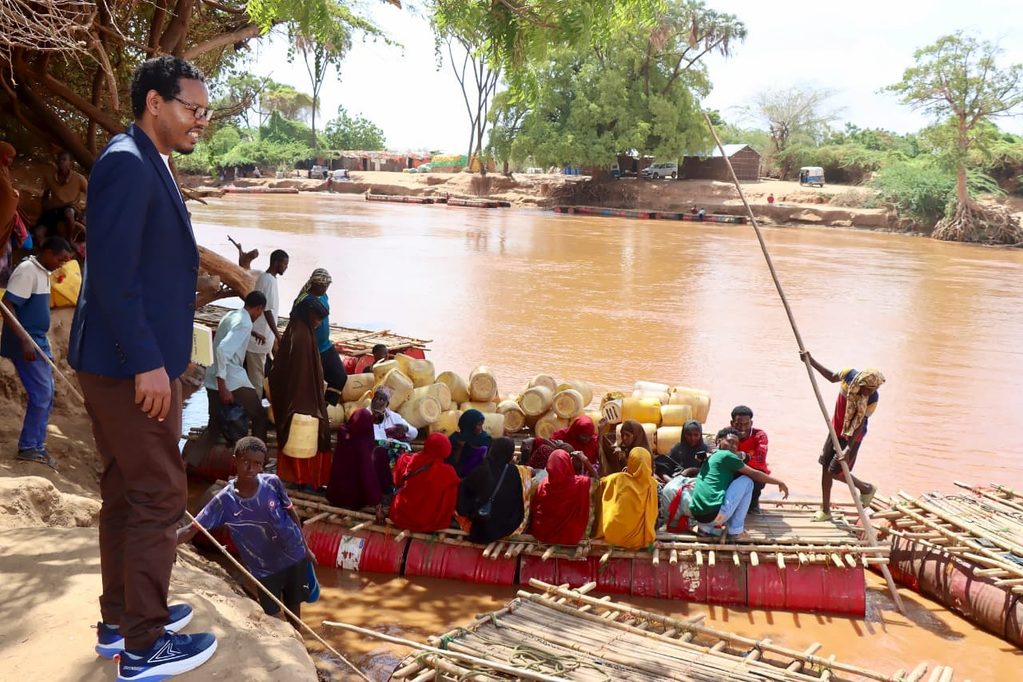
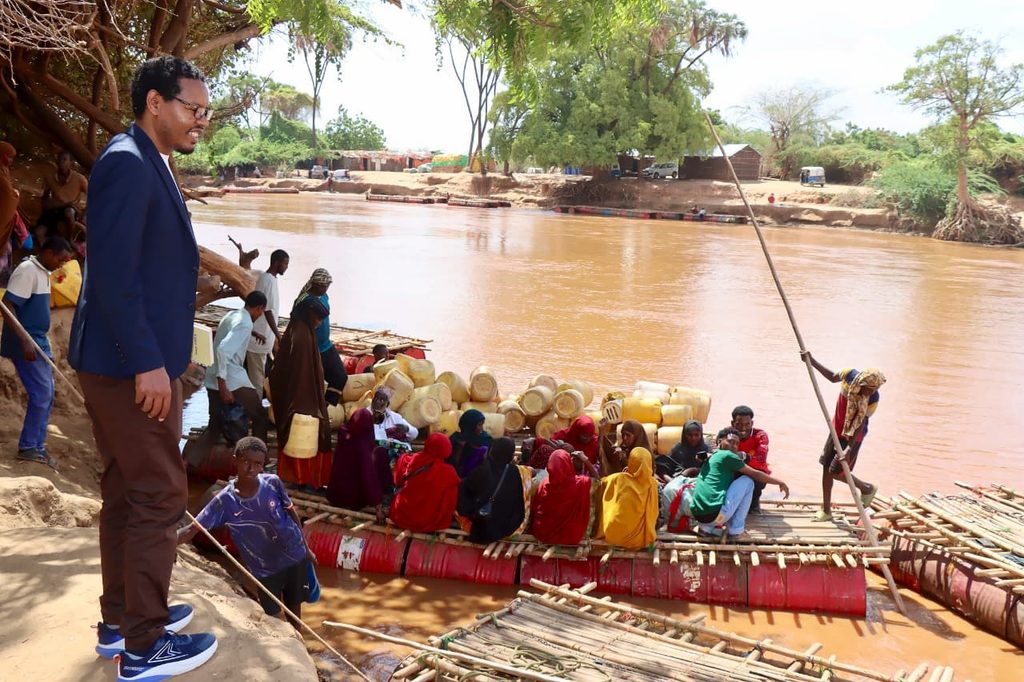
Along the sun-scorched banks of the Dawa River, a wooden boat cuts across the water for a hundred Kenyan shillings, carrying individuals across an invisible line where Kenya, Ethiopia, and Somalia meet. This is the Mandera Triangle, a remote frontier where porous borders and desperate circumstances collide. Here, thousands of Ethiopian migrants displaced by poverty, conflict, and climate shocks seek refuge in a fragile economic ecosystem. They build homes, run local businesses, and fill vital labor shortages, yet they do so under the constant shadow of administrative crackdowns, arbitrary detentions, and the looming threat of sudden expulsion.
The interview with Meklit Yacob, who migrated from Wolaita to Mandera and has spent nearly four years working in domestic service, offers critical insights into how local employer relationships, documentation, and cultural adaptation shield migrant workers during administrative crackdowns. When sweeping eviction orders were previously issued against the Ethiopian community in Mandera, Meklit faced a moment of intense vulnerability, but deep-seated bonds with her employer prevented her displacement. Her employer intervened directly with authorities and community members, advocating for her by treating her like family and explicitly stating that she was a trusted, long-standing member of the household rather than a troublemaker. The local community’s stance of distinguishing between unruly elements and well-behaved workers allowed compliant domestic workers to remain hidden or protected indoors until tensions subsided. Like many migrants, Meklit considered returning to Ethiopia during the crisis, but the complete lack of domestic employment opportunities and the pressing need to support her children back home made staying the only viable path.
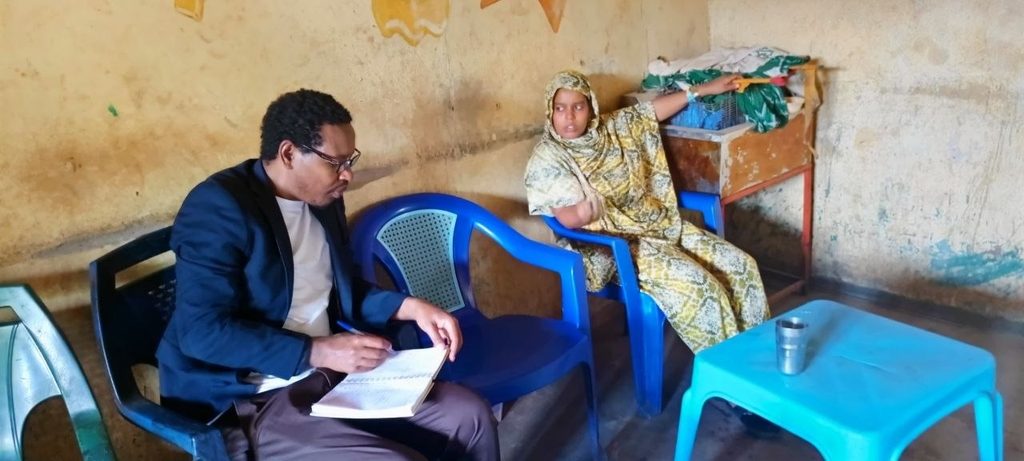
Meklit emphasizes that maintaining formal health and identification documents is essential for navigating the frontier safely and building mutual trust with the host community. Obtaining local health clearance papers, including medical tests and documentation kept on file, enables workers to move around, access services, and work without constant fear. Addressing prevalent community fears regarding health issues among migrants, Meklit notes that proper screening and transparent medical records help dispel harmful stigmas and ensure smooth integration.
Living in exile presents immense emotional challenges, particularly managing the physical separation from children, yet Meklit stresses that survival in a foreign land requires strict adherence to local norms. Adapting to local cultural standards, such as dressing appropriately, respecting community strictures, and maintaining a low, respectful profile, is vital to avoiding conflict. Meklit does not intend to remain in Mandera permanently, as her primary objective is to save enough money through her steady wages to eventually return to Ethiopia, reunite with her children, and establish an independent livelihood.
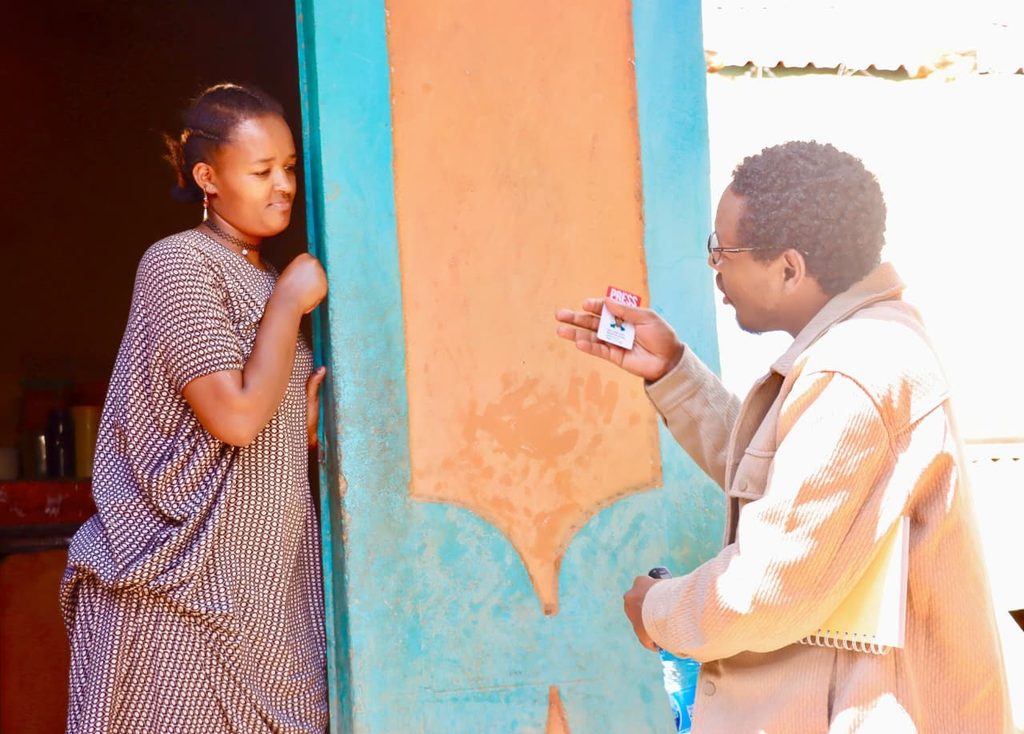
For long-term migrants who have spent over a decade establishing roots in Mandera, the frontier is simultaneously a place of economic refuge and constant administrative anxiety. The account of Abdu Mohammed, who originated from Bale in the Oromia region and adopted a local name to align with regional naming conventions, illustrates the complex realities faced by settled members of the diaspora. Having built his own house, secured self-employment involving motor use, and integrated into the cultural fabric of the town, Abdu managed to ride out historical eviction waves that uprooted newer arrivals, though his experience underscores how systemic vulnerabilities persist even for the well-established.
Despite living in Mandera for more than ten years, Abdu highlights the frequency of routine security roundups that target the migrant community indiscriminately, with police forces conducting coordinated sweeps two to three times a week and hauling individuals to local stations during morning and evening patrols.
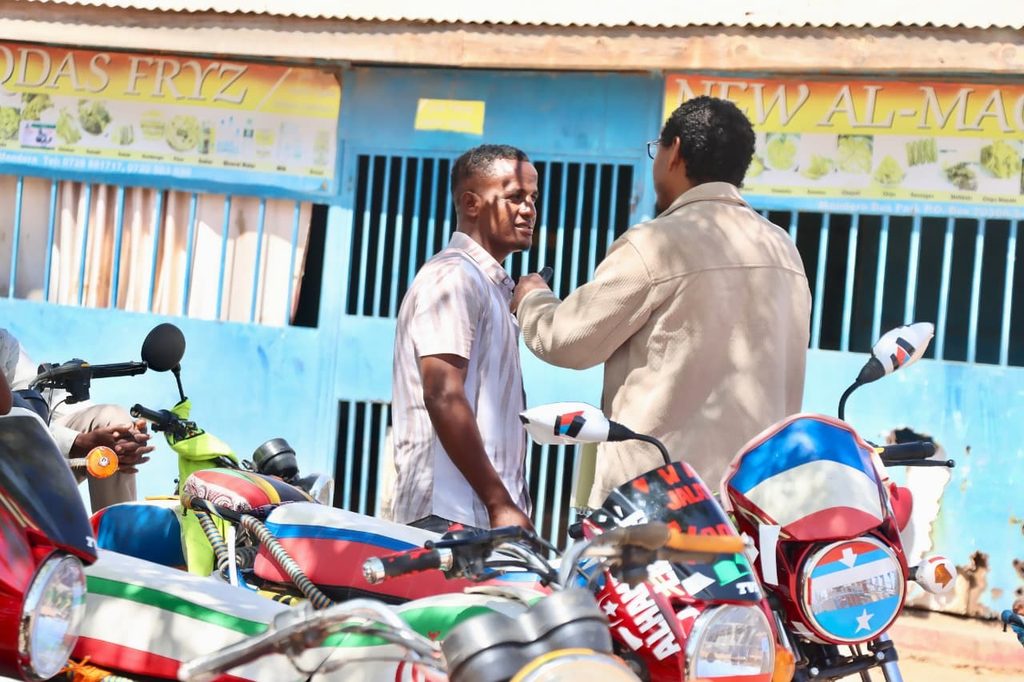
Detainees frequently secure their release only by paying money, and while established residents with proper documentation or local identification can eventually navigate the process, the lack of formalized legal brokering or familiar institutional frameworks leaves transients and newcomers intensely vulnerable to extortion. A core tension emerging from the interview is the profound friction caused by the conduct of transient or newly arrived youth. While Abdu and other long-standing residents maintain quiet, self-contained lives focused on honest labor such as domestic cleaning, small-scale trade, or garage support, unruly behavior among clustered groups living in densely packed rental units has repeatedly triggered severe community backlashes.
Because locals cannot easily distinguish between integrated community members and transient bad actors, antisocial behavior by a minority casts immediate suspicion over the entire diaspora. When administrative authorities or local residents issue blanket orders to evacuate, hardworking migrants who contribute positively to the local economy are lumped together with individual wrongdoers, and Abdu criticizes this collective punishment as deeply unfair, emphasizing that accountability should target specific offenders rather than sweeping away innocent people who came to labor for their families.
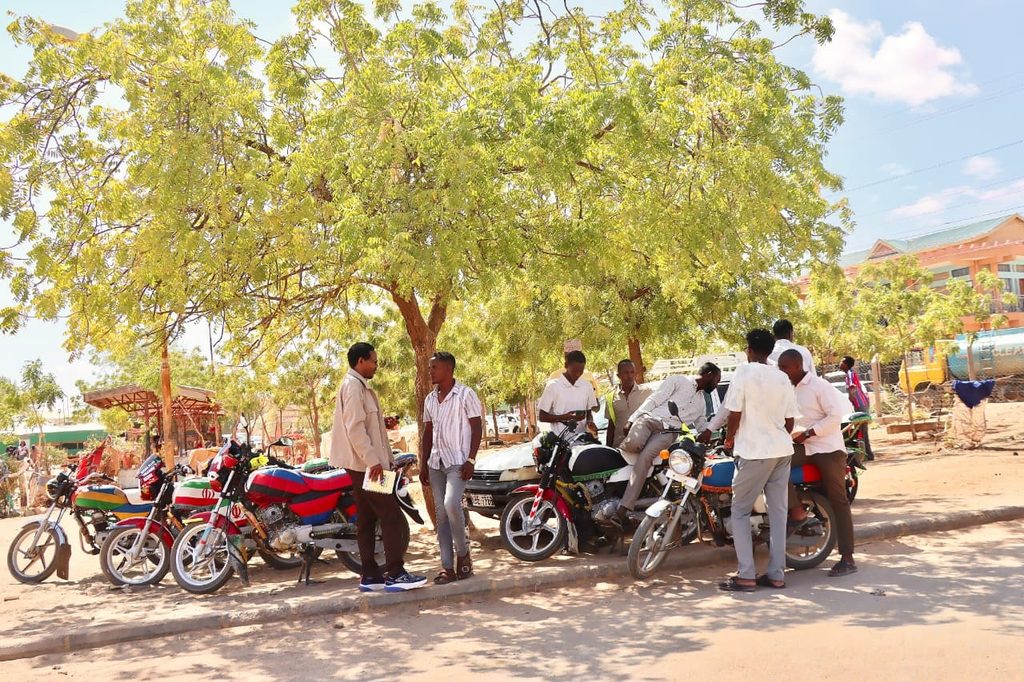
The continuous influx of migrants persists despite these recurring crises because conditions in the homeland offer few alternatives. Driven by economic stagnation and a lack of domestic opportunities, individuals continue crossing the border to find work that allows them to support extended families. For Abdu, the determination to remain, stating he would stay even in the face of extreme hardship rather than return to a hostile economic climate in Ethiopia, reflects a broader sentiment across the borderlands that the risk of staying in Mandera is weighed against the impossibility of surviving back home.
The interview with Biya Tolosa, who originated from Negele Borana with roots connected to Shashamane and has spent five years working in Mandera, provides crucial insight into how specialized technical trades can shield migrant workers from the wider vulnerabilities affecting the borderlands. Arriving in Mandera five years ago via family connections rather than mass transit routes, Biya initially worked as a motor vehicle driver before recognizing a vital gap in the local market. Because no one else was offering specialized motor repair work in his immediate area at the time, Biya pioneered the trade, and his initiative paved the way for subsequent garages to open, creating a functional technical cluster that serves local vehicle owners and provides steady livelihoods for fellow workers.
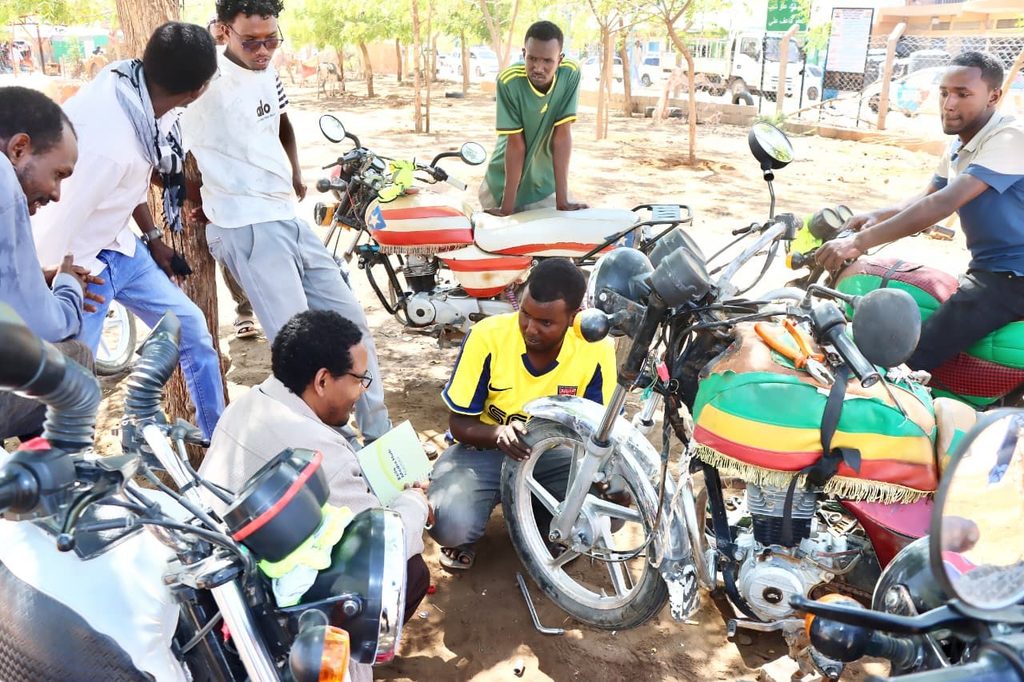
Biya reports encountering no harassment or administrative problems, operating under the firm conviction that the one who works is not touched by anyone. Unlike transient groups who may face suspicion or collective crackdowns, specialized tradesmen who maintain a low profile centered entirely on productivity experience a quiet stability, and Biya notes that diverse groups coming from various parts of Ethiopia, whether traveling via Somalia, Kenya, or direct routes, coexist peacefully without internal conflict. By maintaining strict devotion to daily labor and avoiding outside distractions, Biya and his peers navigate the frontier with minimal friction from host authorities or local communities.
The interview with Adamasu Oyda, a Wolaita native who has lived in Mandera for over a decade with his wife and four children, provides an exhaustive look into the realities of long-term settlement, the immediate fallout of sweeping evacuation decrees, and the deep-seated push factors preventing return to Ethiopia. Having spent ten years building a life, raising children, and establishing a household in Mandera, Adamasu represents the core of the settled Ethiopian diaspora. When the February 5, 2026, evacuation orders forced mass departures, Adamasu chose to stay hidden indoors for over a month rather than uproot his family, driven by sheer survival instinct and the difficulty of moving dependents.
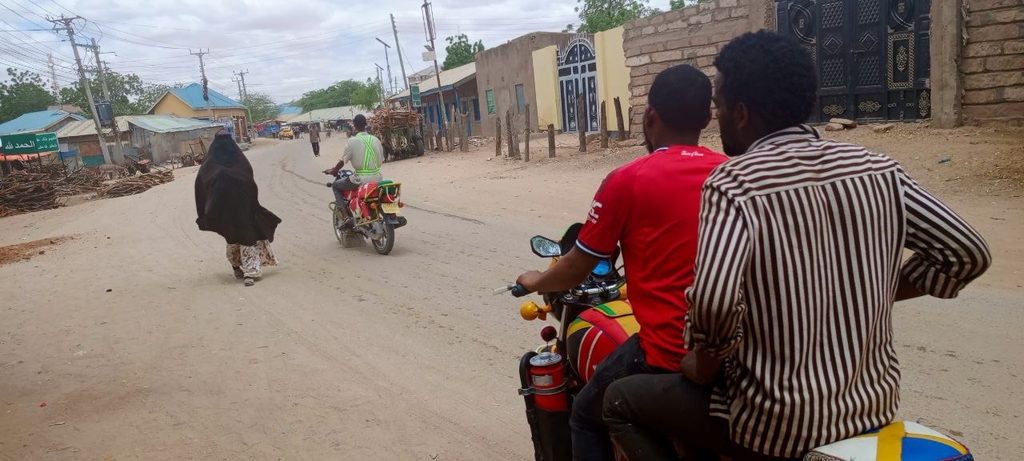
As local households and businesses faced an acute labor vacuum with domestic work, childcare, cleaning, and Islamic religious school transportation grinding to a halt, employers realized their domestic economy could not function without Ethiopian labor. Desperate for workers, local employers crossed back over, paid off security personnel, and stood as financial and personal guarantors for returning migrants to restore stability.
Adamasu highlights that the persistent flow of migration is sustained entirely by the lack of viable alternatives in Ethiopia, where returning migrants face severe dangers. Young people returning to Ethiopia, such as those traveling toward Addis Ababa or Awassa, frequently face sudden roundups where security forces throw them onto trucks and deploy them directly to battlefronts without training. Many individuals attempting the journey back to Negele and other regions have been ambushed, gone missing, or died along the road, instilling a profound fear of return.
Severe economic hardship, a lack of formal job opportunities, and pervasive conflict make staying in Mandera, despite its risks, a necessary alternative to certain peril at home. Despite contributing entirely to the domestic and economic sustenance of Mandera through honest labor, long-term residents face persistent structural roadblocks, including workers routinely being picked up by police patrols during daily commutes and forced to pay steep fines of 5,000 to 10,000 shillings to secure their release or risk facing months of imprisonment without trial. Attempts to secure legal IDs or residency permits are consistently blocked by local bureaucratic and tribal discrimination, leaving long-term contributors vulnerable to arbitrary detention and systemic exclusion.
The interview with Abdulkarim Ibrahim, a Mandera community member and local hotel owner, provides critical economic insight into how sweeping eviction decrees destabilize the commercial architecture of northeastern Kenya. When local authorities and community pressures forced the mass evacuation of Ethiopian workers, the shockwaves were felt immediately across Mandera’s commercial sector. Because nearly all small businesses and hotels rely exclusively on Ethiopian labor to sustain daily operations, the sudden exodus left enterprises completely understaffed. Abdulkarim notes that his own hotel and numerous other small businesses were forced to close their doors entirely because no alternative workforce was available to fill the labor vacuum.
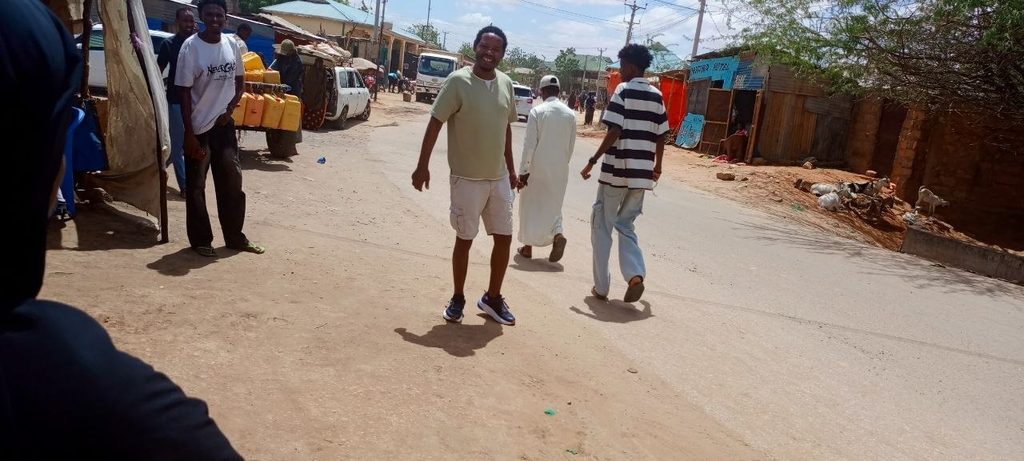
Ethiopian workers fill vital gaps across the local economy, meaning that sweeping displacements inflict direct financial self-harm on local business owners. Reflecting on the crisis, Abdulkarim identifies structural loopholes as the core driver of instability along the frontier, noting that the primary logistical and regulatory challenge facing employers is the absolute lack of formal legal pathways and institutional systems to manage, track, and regulate hiring processes for cross-border labor. Following the easing of tensions, businesses like Abdulkarim’s have reopened by rehiring Ethiopian staff, underscoring that the regional economy cannot function without cross-border labor integration.
The interview with Abdia Sheikh Abdirahman, General Manager of Women for Peace and Development, a community-based organization operating across the borders of Kenya, Somalia, and Ethiopia spanning Mandera, Belet Weyne, Dolo, and Suftu, offers critical regional insights into women’s empowerment, peacebuilding, and the mechanics of cross-border trade. Operating since 2015 alongside projects funded by the EU and Danida, such as the Porro She’s Nawath initiative, the organization has focused heavily on transforming the social standing and civic engagement of marginalized women in borderland communities. Initially restricted to the domestic sphere and barred from public gatherings or speaking out, women participating in quarterly meetings have undergone extensive training in human rights, women’s empowerment, and preventing violent extremism.
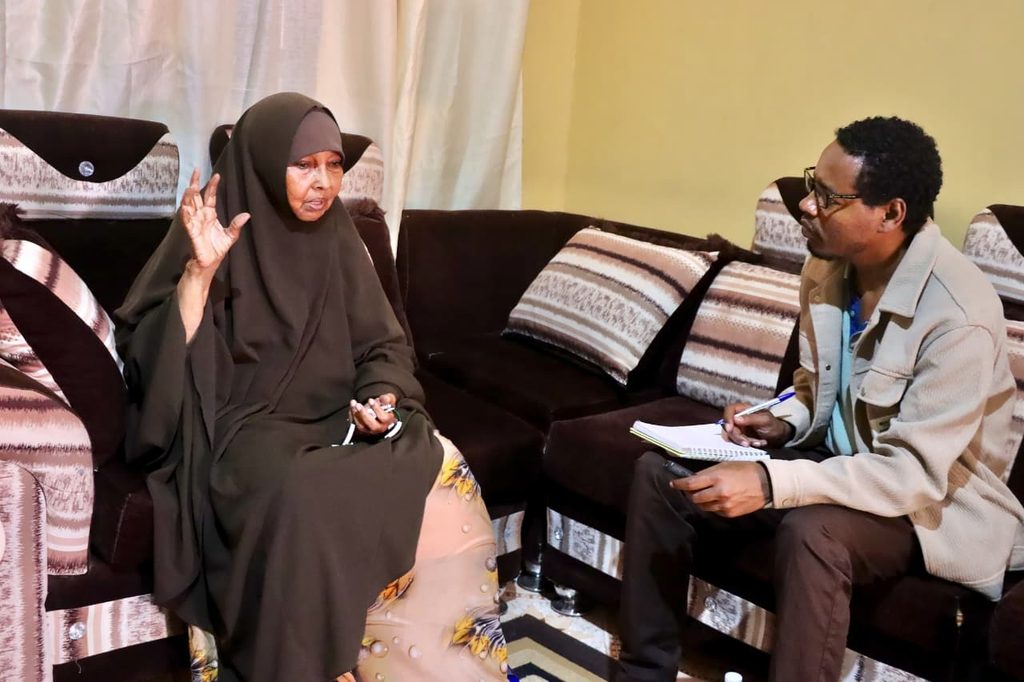
Through continuous advocacy, these women formed independent, women-led peace committees, successfully integrating themselves into local administration, security forums, and community decision-making. Abdia notes that many women currently holding top administrative positions or chief officer roles within the county government rose through these grassroots empowerment networks.
Cross-border trade forms the backbone of Mandera’s booming economy, with communities heavily dependent on mutual exchange. Traditionally restricted to men, the lucrative livestock market in Mandera has seen a massive shift, and through organizational encouragement, women now dominate the sector, accounting for 60 to 70 percent of the main market activity by waking early to purchase and resell livestock brought down from the borders. Daily survival relies on seamless trade corridors where food commodities, rice, and sugar flow alongside manufactured goods like mattresses and detergents, sustaining an interdependent regional economy.
Despite vibrant commercial ties, the lack of formalized immigration controls and infrastructure creates severe logistical and security obstacles. Traders and residents crossing between Mandera, Belet Weyne, and the Ethiopian side routinely face security checkpoints where they are forced to pay informal fees and insurance charges or risk being denied entry entirely. Because borders are porous and lack permanent governmental symbols in certain sectors, sudden security incidents or cross-border skirmishes can instantly paralyze commerce, disrupt daily life, and upend community relations in a split second. Unlike strict Ethiopian entry controls which require detailed identification, travel timelines, and host registration, Mandera’s open environment allows large populations of Ethiopian workers, drivers, and skilled professionals to settle and find high-paying domestic employment easily, drawn by wages significantly higher than those at home.
The interview with Sultan Yussuf, the head of the Council of Elders in Mandera County representing the Garre community, offers high-level traditional and community leadership insight into the realities of undocumented migration, cultural affinity, and regulatory vulnerabilities along the border. As a pastoralist leader with a cross-border footprint and the chair overseeing multiple elders, Sultan Yussuf highlights how shared identity dictates regional dynamics. Because Ethiopian migrants and the local Garre community speak the same Oromo language, integration happens seamlessly without language barriers, serving as the primary mechanism for survival and employment in Mandera.
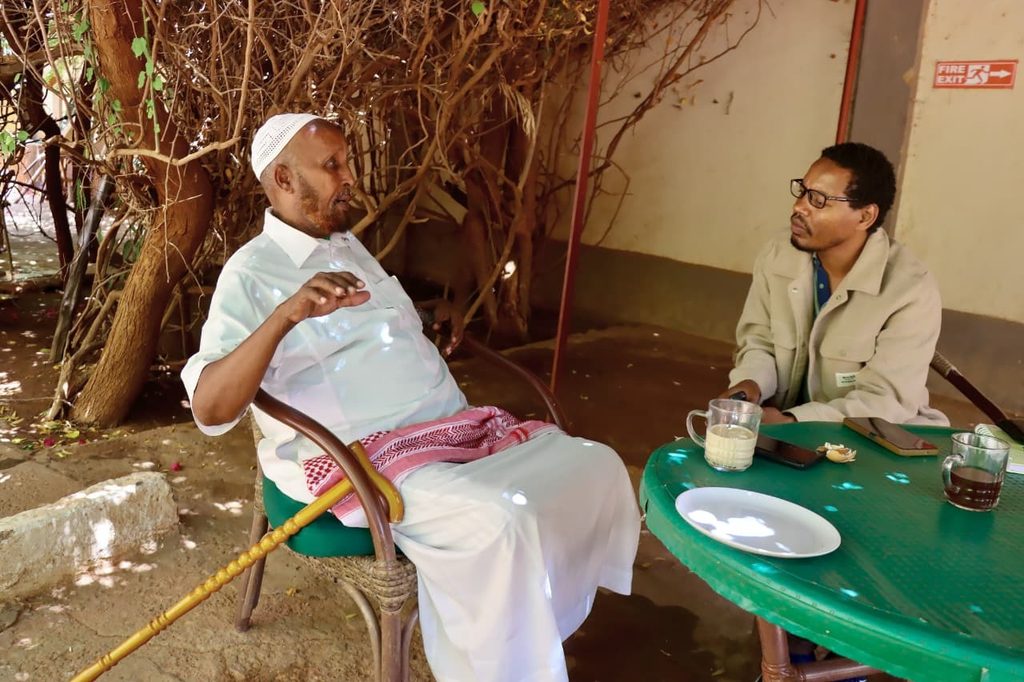
Despite deep cultural integration, the lack of formal passports, working permits, health certificates, and identification documents leaves workers highly vulnerable. Yussuf stresses that moving through a foreign country without tracking poses extreme personal dangers, noting that individuals can easily be injured or killed without authorities knowing who they are. Explaining the rationale behind community-led enforcement and eviction decrees, Yussuf notes that elders actively tell undocumented workers to return home and come back through legal channels with proper identification and health clearance to protect both themselves and the host society.
The open, unmonitored border creates major security blind spots that concern traditional leadership. Yussuf points out that the absence of structured migration allows individuals to enter anonymously, raising the risk that people with malicious intentions or those slipping across toward Somalia could compromise regional stability. Many of the cross-border arrivals are young, underage job seekers vulnerable to brokers and exploitation, moving through territories where they lack local familiarity.
Yussuf criticizes the sluggish response of central authorities, noting that even when security meetings are held, systematic enforcement remains weak, leaving communities to shoulder the security risks. While acknowledging the positive economic contributions of Ethiopian labor and business, Yussuf champions formal regulation as the only sustainable path forward. Drawing an analogy to his own travels to Nairobi or Mecca, Yussuf insists that proper identification, health reporting, and temporary permits are standard requirements in any civilized nation that both the Kenyan and Ethiopian governments must enforce. He urges both the central government in Nairobi and authorities in Ethiopia to establish structured systems so that nations know where their citizens are, why they are traveling, and when they will return, thereby safeguarding regional peace and protecting vulnerable migrants from harm.
The interview with Stephen Komote, Assistant County Commissioner for Mandera Central in Mandera East Sub-County, provides official administrative insight into the complexities of cross-border movement, informal crossings, and structural security challenges along the Kenya-Ethiopia frontier. As the assistant county commissioner stationed in Mandera for a year, Komote outlines the distinct administrative framework governing the frontier. While the border with Somalia is officially treated as closed, the border with Ethiopia at Suftu is recognized as open for informal, daily cross-border movement intended for local markets and social visits.
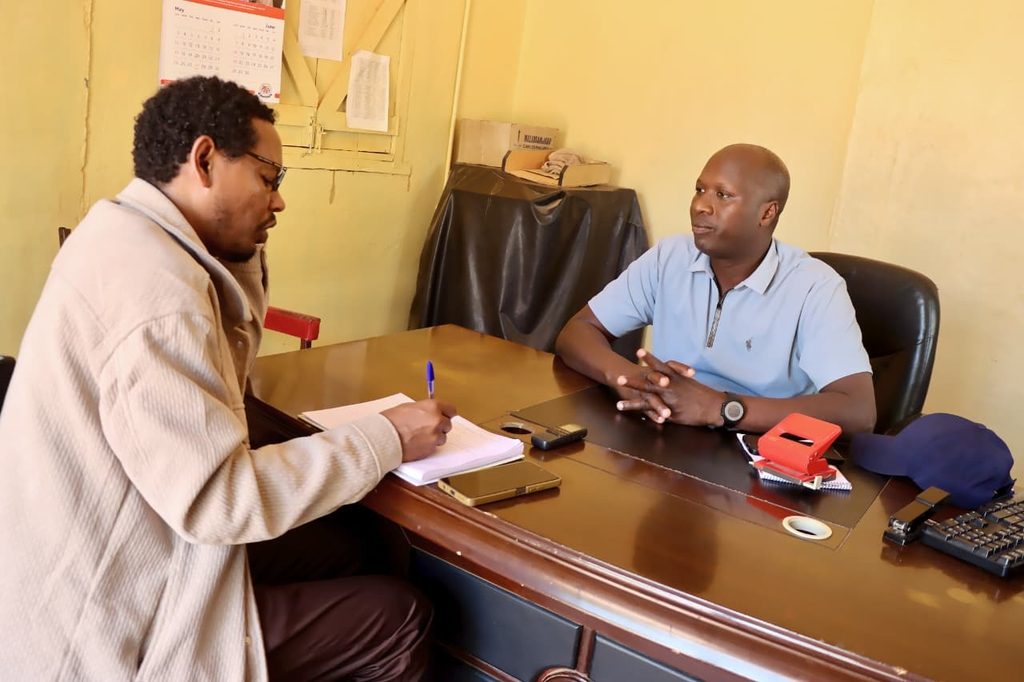
Because formal immigration and customs infrastructure does not currently exist at this crossing, residents from both sides frequently cross back and forth informally under the assumption they will return by evening. Over time, many individuals from deeper parts of Ethiopia bypass informal routines, enter the wider community, and integrate deeply by taking up domestic and casual labor. Komote notes that once the host community accepts and integrates these workers, tracking and official enforcement become exceptionally difficult.
The porous nature of the border creates significant security vulnerabilities, complicating local governance. Security teams face immense difficulty sifting through transients, determining who is a legitimate local cross-border trader, a relative visiting for a burial or wedding, or an individual entering with malicious intent from compromised neighboring corridors. To manage these risks, security personnel conduct periodic operations and patrols, arresting and deporting individuals lacking official documentation.
Komote acknowledges that administrative crackdowns and community-led tensions typically flare up only when a small minority of undocumented individuals commit offenses, prompting host communities to demand mass evictions due to perceived security failures. Looking toward long-term stability, Komote highlights major upcoming infrastructure projects designed to formalize cross-border activity. Backed by World Bank funding and regional partners like IGAD, Kenya is currently advancing the construction of a major 750-kilometer road connecting Isiolo to Mandera. Plans are at an advanced procurement stage to construct two major bridges, one at Mandera-Suftu and another at Ramo, complete with One-Stop Border Posts. Once operational, these facilities will house immigration, tax collection, and security agencies from both Kenya and Ethiopia, transforming informal paths into regulated channels, boosting regional commerce, and stabilizing security across the corridor.
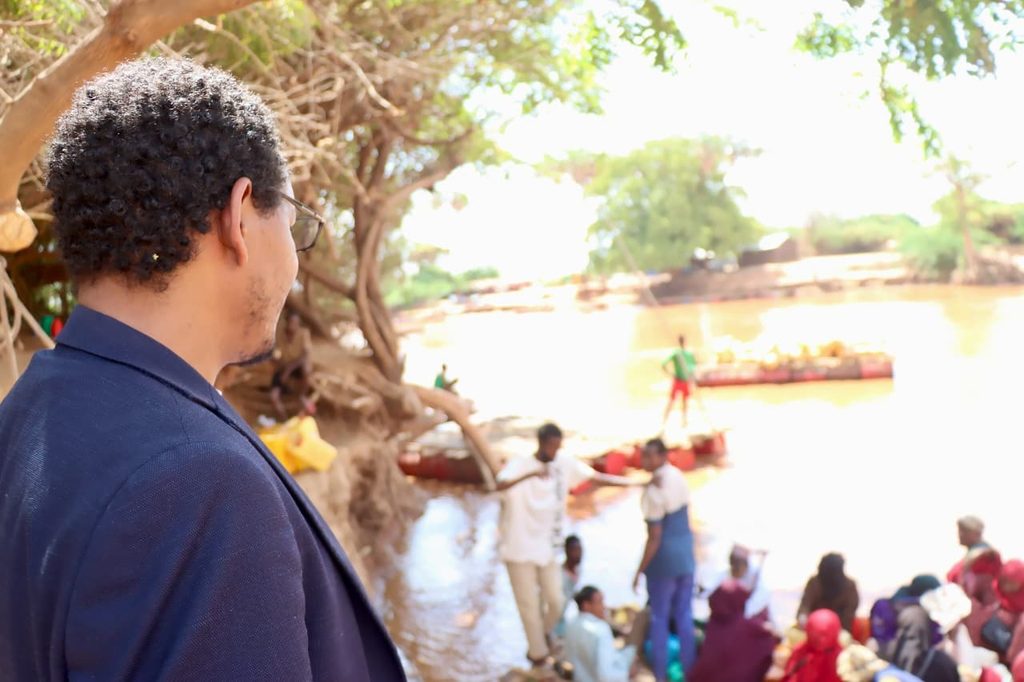
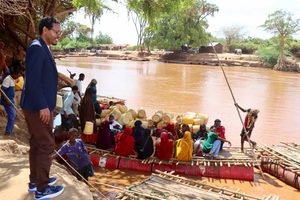
Field observations at the Dawa River border crossing and within Mandera town, located just three kilometers from the crossing, reveal the stark everyday realities of informal migration, demographic composition, and severe social pressures faced by Ethiopian arrivals. Direct observation of the physical border infrastructure highlights an unregulated transit corridor operating with minimal official oversight. Individuals cross the Dawa River using traditional boats for a mere 100 Kenyan shillings, traversing a distance of less than 400 meters between the two countries. While police officers were observed stationed on both the Kenyan and Ethiopian sides of the river, no legal inquiries, exit checks, identification requests, or destination verifications were conducted for those crossing.
The Ethiopian community living in Mandera experiences deep social stratification and cultural adaptation pressures. Mandera residents commonly refer to the entire Ethiopian community as Wolaita, who form the majority, though the population actually includes diverse ethnic groups such as Tigray, Oromo, and other marginalized Southern Ethiopian communities. Many Ethiopians hide their true ethnicity and are pressured to alter their identity, including their religion, to escape local discrimination. The population is heavily multilingual, navigating daily life in Swahili, Somali, Amharic, Wolaitato, and Oromo.
Interviews and direct sightings within Mandera town underscore the desperate circumstances driving migration from Ethiopia. A significant portion of the migrant population consists of young people, including numerous underage girls observed working as hotel waiters. Many young migrants were forced to truncate their education at the junior or high school level due to domestic crises. Migrants expressed that they have no viable options to return home due to a compounding mix of civil war, severe economic hardship, a lack of job opportunities, and the threat of forced military conscription by authorities, leaving them uncertain about their future.
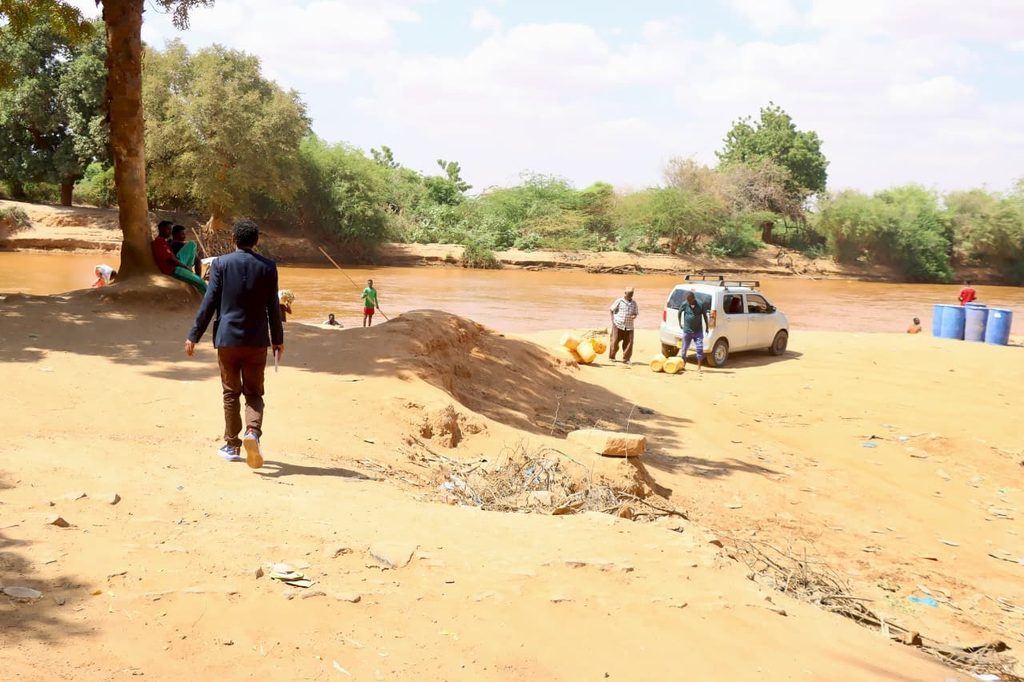
According to the Mixed Migration Centre, an estimated 100,000 Ethiopians migrate eastward or southward into neighboring countries annually, propelled by economic hardship, local conflicts, and environmental shocks. While major transit flows typically utilize the broader Moyale route, the Mandera Triangle border region witnesses heavy volumes of fluid, daily, and seasonal movements.
There are an estimated 10,000 Ethiopian nationals living and working within Mandera County. A large proportion of these individuals come from specific southern Ethiopian ethnic groups, notably the Wolaita community, who find employment primarily in domestic labor, home help, the hospitality sector, farming, and boda boda motorcycle transportation. Mandera County serves as Kenya’s northeastern-most frontier county, shaping the strategic Mandera Triangle tri-border point where Kenya, Ethiopia, and Somalia converge. Situated approximately 1,100 kilometers by road from Nairobi, the county is divided into six sub-counties. Official records from the Mandera County Government place the resident population at 867,457 according to the Kenya Population and Housing Census, while local government demographic tracking and annual development planning estimate the total population has risen to roughly 1,007,207. The resident population is overwhelmingly of Somali ethnicity.
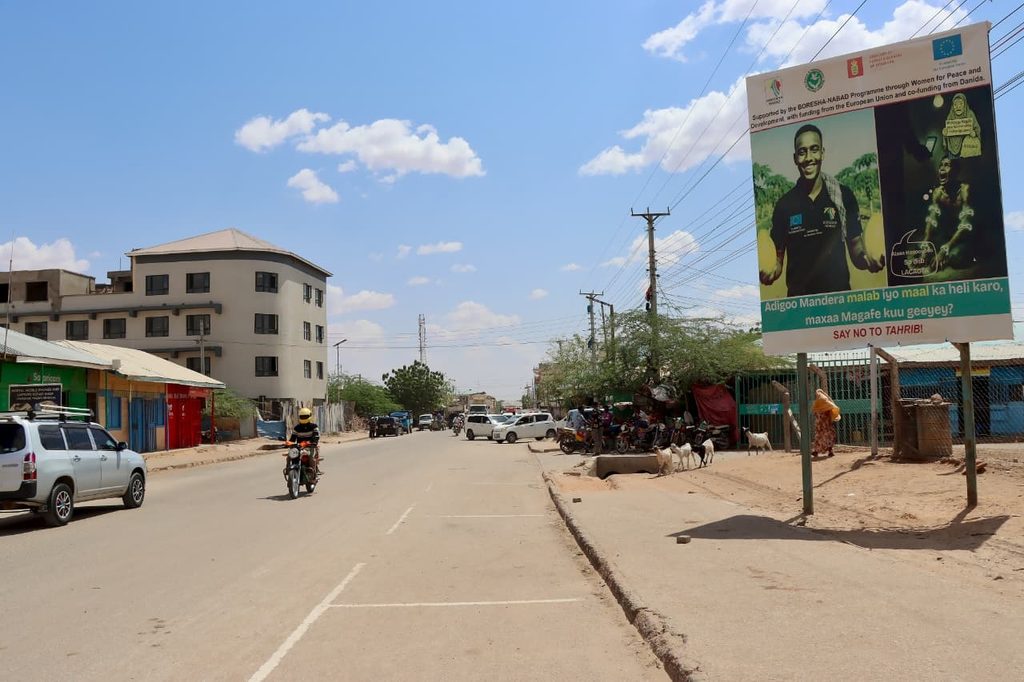
Research from the Research and Evidence Facility on migration in the Horn of Africa indicates that the region is predominantly arid and semi-arid, characterized by low-lying rocky hills and extreme temperatures. The Dawa River runs along its northern perimeter, functioning as the direct international boundary with Ethiopia as well as the primary water source for local irrigation. The dominant economic activity is nomadic pastoralism, comprising the rearing of camels, goats, and cattle, which generates over 70 percent of household income, supplemented by river valley agriculture, beekeeping, and informal cross-border trade.
Border populations frequently engage in cyclical or pendular movements rather than permanent migration. Because local borders intersect shared ethnic lineages, communities cross back and forth daily to access schools, medical facilities, livestock markets, or lower-priced social options, such as Kenyans traveling to Suftu for cheaper commodities. The presence of undocumented Ethiopian workers has triggered localized socio-economic friction, leading local leadership and community elders to issue directives targeting groups like the Wolaita community over claims concerning security, integration, and economic dominance in small trades. This dynamic continues to remain a delicate diplomatic and security priority for both the Ethiopian Embassy and the County Government of Mandera.
As the region looks toward major infrastructure projects like the upcoming Isiolo-Mandera road corridor and One-Stop Border Posts, the future of the borderlands hangs in the balance. The survival of Mandera’s economy remains inextricably linked to the labor and resilience of the Ethiopian diaspora, proving that economic interdependence cuts deeper than administrative walls. Ultimately, securing the frontier will require moving beyond cycles of collective punishment and undocumented vulnerability toward structured bilateral frameworks. Only through formal legal pathways, health coordination, and transparent governance can both nations protect vulnerable human lives while securing the peace and stability of the entire region.
This story was supported by the Pulitzer Center.