The United States Government Issued A Visa Ban Against Extremist TPLF Members Over Threats To Peace In Northern Ethiopia
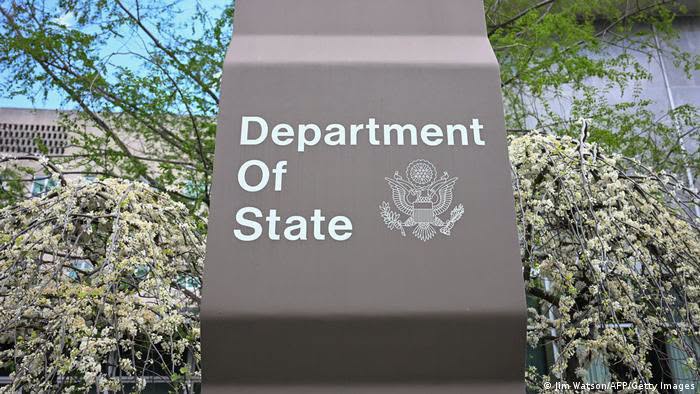
WASHINGTON, D.C. – The United States government has imposed visa restrictions targeting individuals described as “extremist” members of the Tigray People’s Liberation Front (TPLF) and their immediate families. In an official statement published on its website, the United States Department of State expressed deep concern that mounting tensions between these TPLF leaders and the Ethiopian federal government risk triggering a renewed armed conflict in northern Ethiopia.
According to the State Department, the visa restrictions specifically target individuals who actively undermine or violate the peace agreements established to restore stability in the Tigray region. The measures also apply to those who cooperate with entities working against the peace process.
United States Secretary of State Marco Rubio exercised his legal authority to implement the restrictions, with the visa bans officially taking effect yesterday.
The official memorandum highlighted that earlier in 2026, clashes were recorded between Tigray regional security forces and the Ethiopian National Defense Forces (ENDF). Washington views these confrontations as a direct threat to the fragile stability achieved in the region.
The State Department’s statement also recalled the devastating human toll of the previous civil war. It noted that the conflict between the Ethiopian federal government and TPLF forces, which lasted from 2020 to 2022 (2013 to 2015 in the Ethiopian calendar), resulted in the loss of an estimated 600,000 lives. The current visa restrictions are intended to deter further escalation and compel all parties to adhere to peaceful dialogue.
In summary, the decision by the United States to impose visa restrictions on specific TPLF leaders reflects growing international anxiety over renewed military friction in northern Ethiopia. By directly penalizing those who disrupt the peace process, Washington aims to protect regional stability and prevent a recurrence of the mass casualties that characterized the previous civil war.