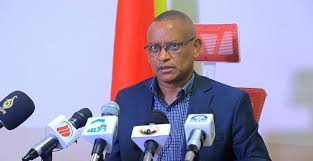
Dr. Debretsion Gebremichael The President Of Tigray Peoples Liberation Front TPLF
TPLF Reinstates 2020 Regional Council, Appoints Debretsion as President: A Direct Challenge to Addis Ababa’s Authority
MEKELLE (Ethio Insight) – In a move that signals a dramatic escalation in the constitutional standoff between Tigray’s dominant party and the Federal Government, the Tigray People’s Liberation Front (TPLF) on Tuesday officially reinstated the 2020 regional council and appointed Dr. Debretsion Gebremichael as the President of Tigray Regional State.
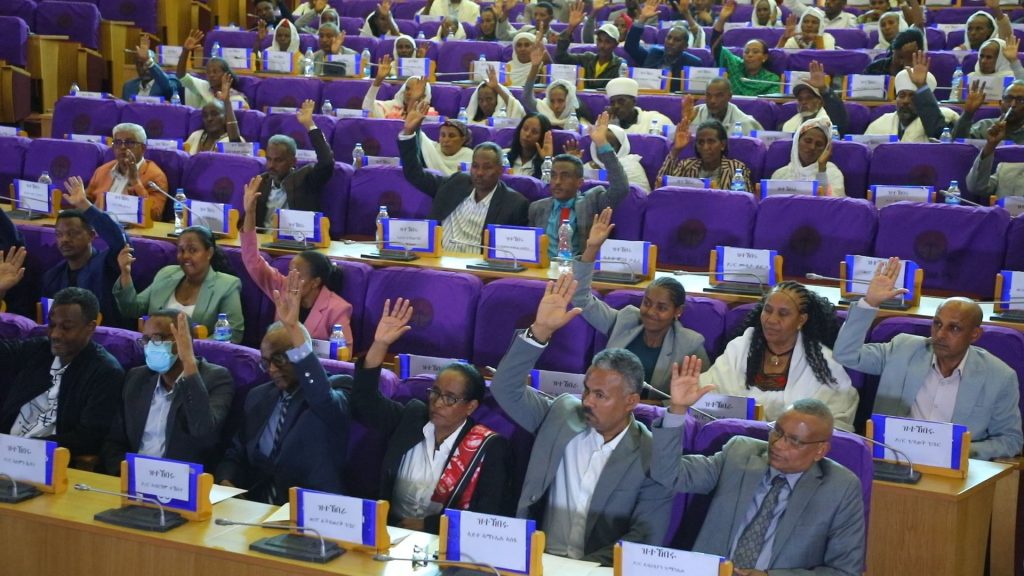
The decision, made during a session on Tuesday, May 5, 2026 (April 27, 2018 E.C.), directly defies the existing federally-mandated Interim Administration and places the Pretoria Cessation of Hostilities Agreement (CoHA) on its most precarious footing since November 2022.
The TPLF-led council, which emerged from the controversial September 2020 regional elections, an event that served as a primary catalyst for the two-year civil war, voted by a majority to return to power. Alongside Debretsion’s appointment, the council selected Ms. Kiros Hagos as Speaker and Ms. Mihret Berhe as Deputy Speaker.
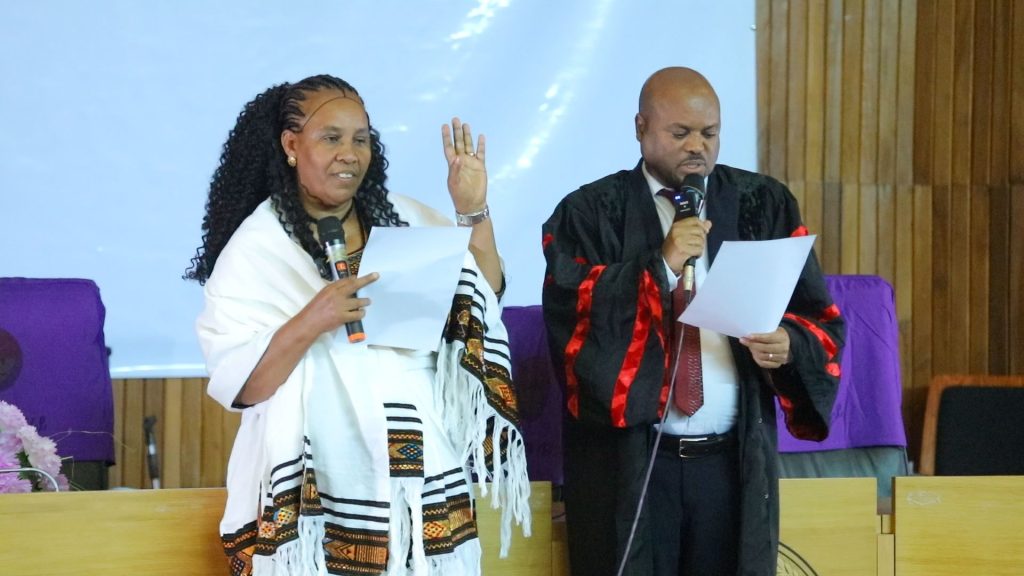
According to a statement released by the TPLF, Debretsion was elected with only one opposing vote and three abstentions. The party justified the move by claiming the Federal Government had “systematically dismantled the Pretoria Agreement,” necessitating a return to “legal” regional structures to protect Tigray’s interests.
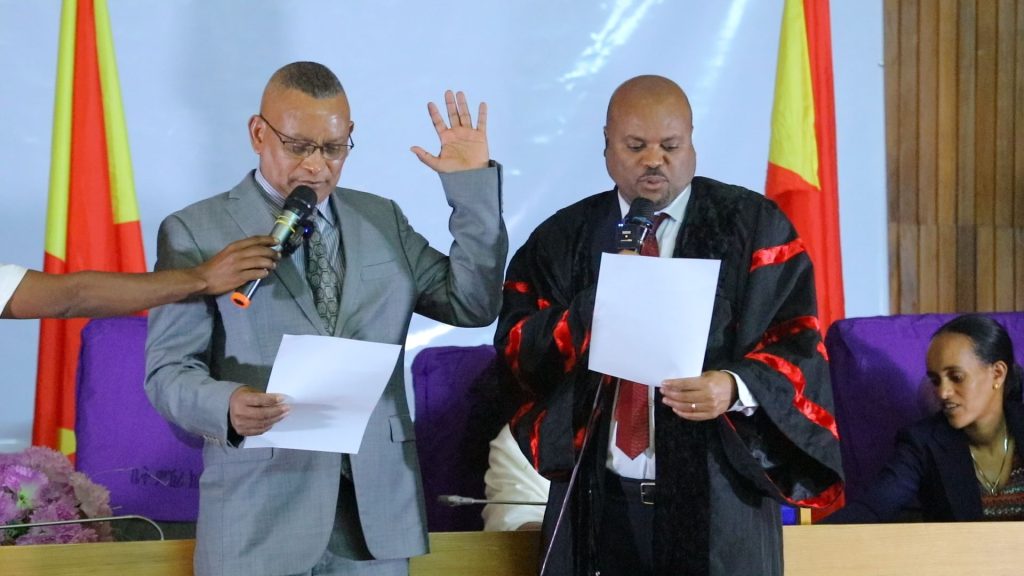
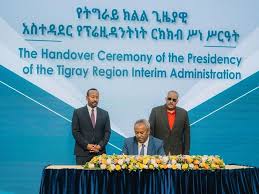
This appointment creates a “two-presidents” scenario in Mekelle. Only three weeks ago, Prime Minister Abiy Ahmed extended the mandate of Lieutenant General Tadesse Worede as the head of the Interim Regional Administration (IRA) for another year.
By appointing Debretsion, the TPLF is effectively:
- Invalidating the Federal Mandate: Rejecting the IRA structure established under the Pretoria Agreement.
- Reasserting Party Sovereignty: Re-establishing the leadership that headed the region during the 2020–2022 conflict.
- Legal Defiance: Operating under the auspices of a party whose legal registration was cancelled by the National Election Board of Ethiopia (NEBE) last year.
The reinstatement of the 2020 council is a high-stakes gamble. For Prime Minister Abiy Ahmed, this represents a blatant rejection of federal authority. If Addis Ababa chooses to view this as an “illegal act of rebellion” similar to its stance in 2020, it could lead to a freeze on federal budget transfers or, in the worst case, a return to hostilities.
However, the political landscape is different now. The TPLF itself is fractured between those loyal to Debretsion and those aligned with Getachew Reda (the former IRA head). This move by the Debretsion-led faction solidifies the internal hardliner victory, sidelining voices that sought a more collaborative relationship with the Prosperity Party.
The political shift in Tigray reverberates far beyond Ethiopia’s borders:
- Eritrea: President Isaias Afwerki remains the most volatile factor. Asmara views a resurgent TPLF as an existential threat. Any move toward TPLF re-militarization or formal political re-establishment could trigger a preemptive response from Eritrean forces currently stationed near the border.
- Sudan and the Nile: With Sudan engulfed in its own civil war, a destabilized Ethiopia weakens the regional security architecture. Regional powers like Egypt and the UAE will be watching closely to see if this internal friction hampers Ethiopia’s ability to project power or manage the GERD (Grand Ethiopian Renaissance Dam) diplomacy.
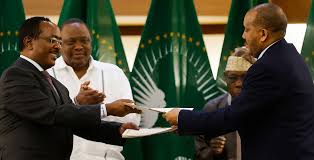
- The Pretoria Agreement: The international community, led by the African Union and the United States, has viewed the Pretoria Agreement as the sole roadmap for peace. The TPLF’s declaration that the agreement is “broken” by the federal side removes the guardrails that have prevented a return to war for the past three years.
The reinstatement of Dr. Debretsion is more than a personnel change; it is a declaration of constitutional autonomy. The TPLF is betting that the Federal Government, currently stretched thin by insurgencies in the Amhara and Oromia regions, cannot afford to open a new active front in Tigray.
However, the legal status of this council remains a fiction in the eyes of the Ethiopian Constitution. Unless a back-channel deal is struck to integrate this council into a federally recognized framework, Ethiopia has just entered its most dangerous constitutional crisis since the start of the 2020 war.