Powering the Grid, Ignoring the Border: Ethiopia–Kenya Energy Surge Meets WT Media Concerns
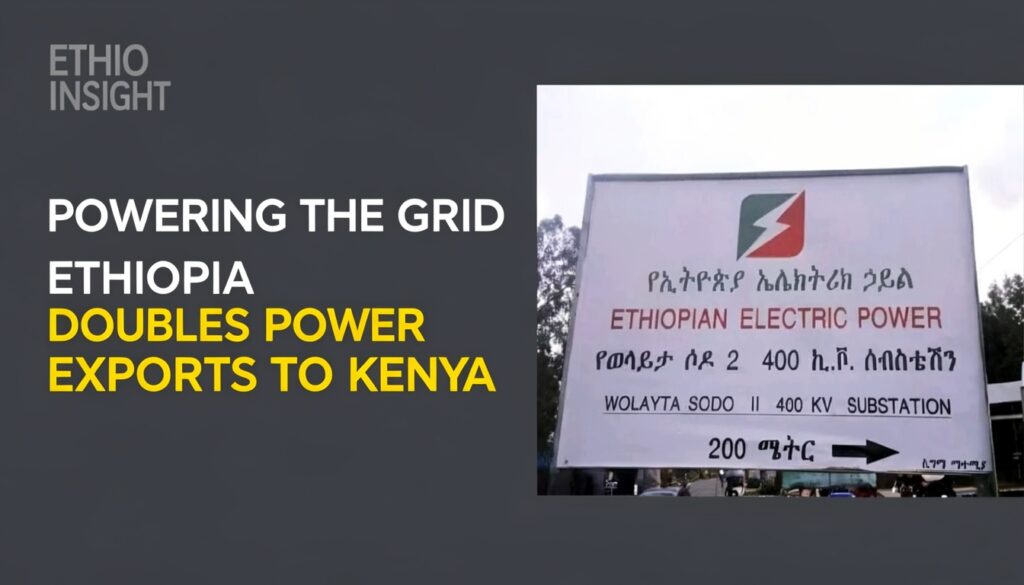
ADDIS ABABA – Ethiopian Electric Power has officially confirmed the expansion of its cross-border power supply agreement with Kenya Power, doubling the contracted electricity export volume from 200 megawatts to 400 megawatts starting in December 2026.
The renewed agreement between Kenya Power and Ethiopian Electric Utility, signed in July 2026, comes amid record-high electricity demand across Kenya. According to data released by Kenya Power, domestic consumption reached 12,792.42 gigawatt-hours for the fiscal year ending June 2026, representing a 12.2 percent annual increase and the sharpest growth rate recorded by the utility in four years. Peak power demand in Kenya set a record high of 2,549 megawatts on July 15, 2026, driven by an expanding consumer base that reached 10.4 million after adding 411,710 new connections during the year.

During the same period, Kenyan imports of Ethiopian electricity expanded to 1,584.45 gigawatt-hours, up from 1,268 gigawatt-hours the previous year. Ethiopian imports now account for roughly 10 percent of Kenya Power’s total supply, up from 8.7 percent a year earlier.
This expansion underscores a fivefold increase in trade volumes since early 2022, positioning Kenya as Ethiopia’s largest international electricity customer ahead of Sudan and Djibouti. Annual Kenyan payments for Ethiopian power imports nearly tripled to approximately 8 billion Kenyan shillings, about 62 million dollars, in the year leading to mid-2025, prior to the implementation of the new higher price structures.
The financial returns from the cross-border deal provide a substantial revenue stream for Ethiopian Electric Power. Financial reporting indicates that power sales to Kenya generated 15.62 billion birr for Ethiopian Electric Power during the 2025/26 fiscal year, making Kenya EEP’s third-largest revenue-generating customer segment overall.
It stands behind only data mining operations and domestic distribution via the Ethiopian Electric Utility, while surpassing every domestic industrial and rail customer category. Combined cross-border exports to Kenya and Djibouti yielded 21.13 billion birr for EEP during the year, derived from a total generation output of 1,589 gigawatt-hours supplied to Kenya and 546 gigawatt-hours to Djibouti.
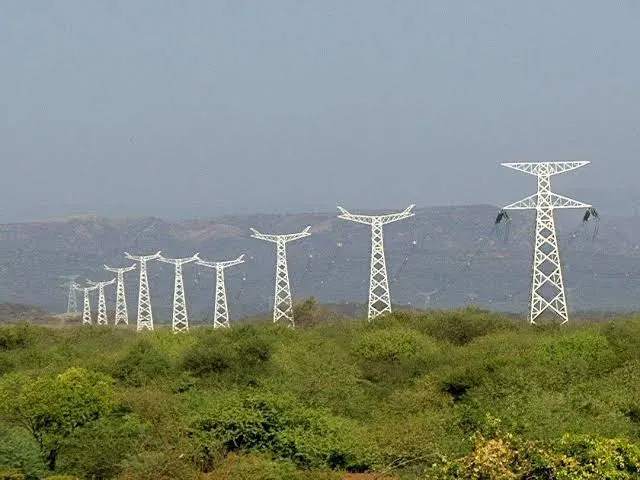
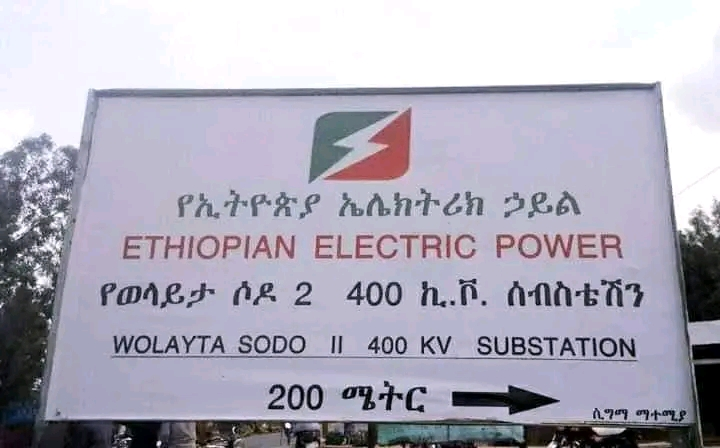
The expanded transfer utilizes the 1,045-kilometer high-voltage direct-current transmission line connecting Wolayta Sodo in southern Ethiopia to Suswa in central Kenya. Completed in 2022 at a cost of approximately 1.26 billion dollars, the interconnector possesses a maximum carrying capacity of 2,000 megawatts.
Even after doubling to 400 megawatts, the contracted volume uses only one-fifth of the line’s total capacity, leaving substantial structural room for further growth in Ethiopian electricity exports to Kenya under the Eastern Africa Power Pool framework.

While Kenya Power Chief Executive Joseph Siror noted that the company’s immediate focus is on securing reserve margins through additional generation capacity, Kenya’s National Treasury has separately outlined plans for 10,000 megawatts of new domestic generation capacity over the next seven years aimed at reducing reliance on imported power over time.
At the same time, investigative coverage and reporting by WT Media continue to draw critical attention to the broader economic, security, and humanitarian dynamics along the shared Ethiopian-Kenyan border corridors.
While large-scale macro-level energy deals demonstrate deepening bilateral cooperation, WT Media‘s field reporting highlights that maintaining sustainable regional integration requires addressing localized security vulnerabilities, mitigating trade disruptions, and safeguarding marginalized communities along the vital supply lines connecting southern Ethiopia with northeastern Kenya.